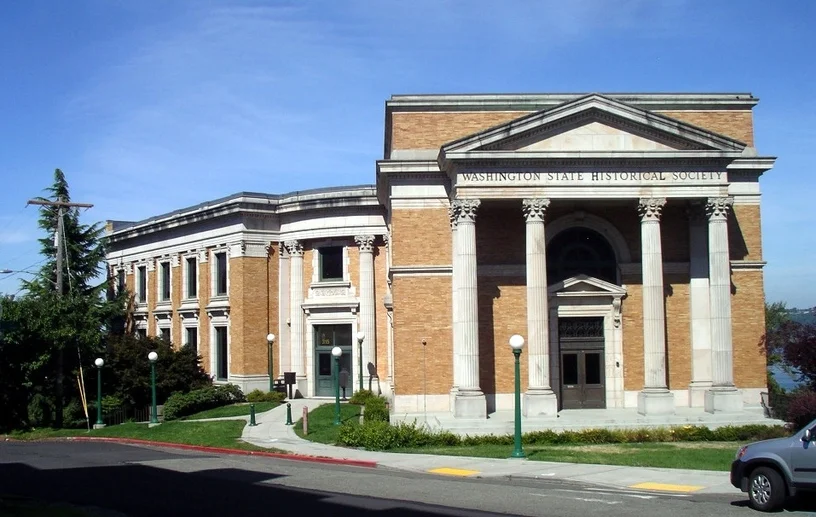
Historic and Heritage Consulting
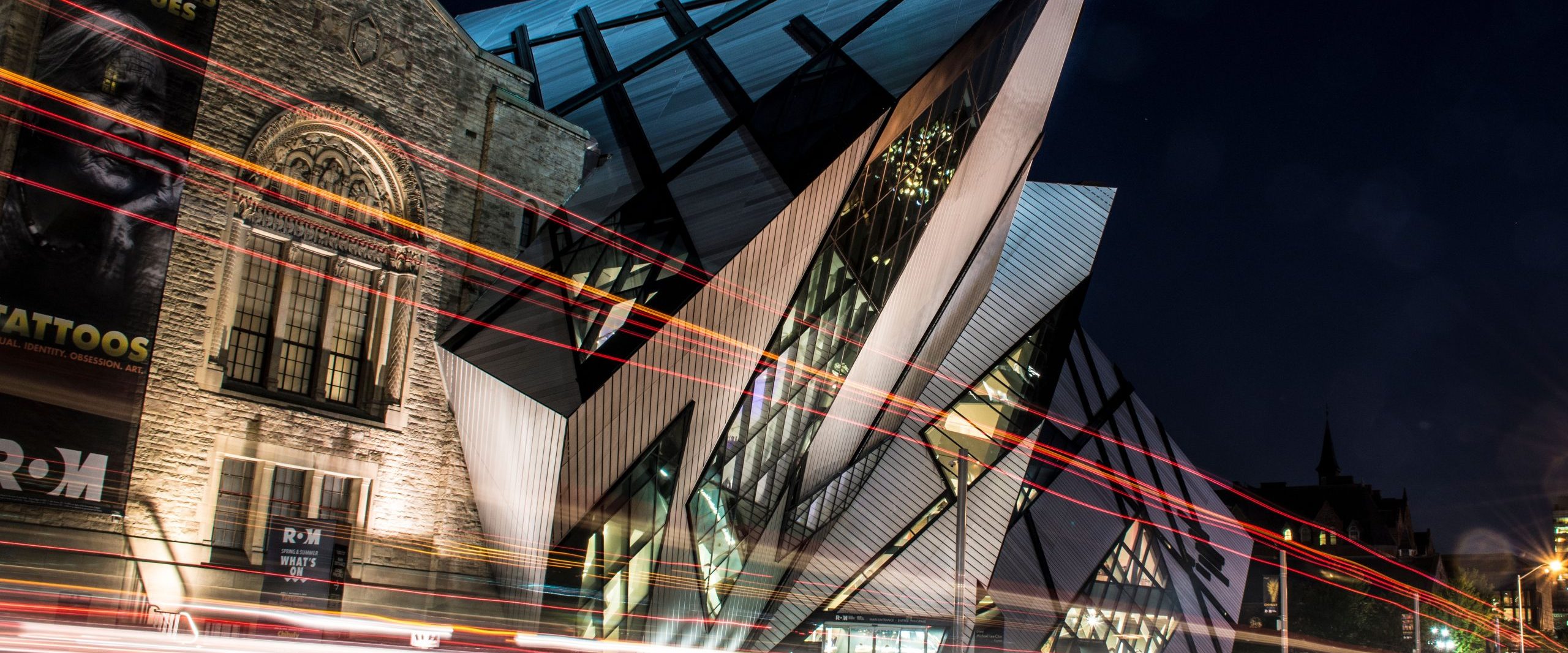
Historic and Heritage Consulting supports the repair, rehabilitation, and performance upgrade of culturally significant buildings. We help owners, architects, and agencies navigate complex requirements—balancing conservation goals with modern code, safety, and performance needs.
Our expertise spans legacy materials, traditional construction methods, and regulatory processes. Whether addressing seismic upgrades, enclosure rehabilitation, or deterioration in heritage systems, we help project teams make informed decisions that protect heritage values while improving resilience, energy performance, and long-term durability.
Services
Building investigation services establish a clear understanding of existing conditions in historic structures before any intervention begins. RDH combines visual reviews, selective openings, and targeted diagnostics to uncover how traditional assemblies are performing, providing the evidence base needed for sensitive repairs, retrofits, and conservation strategies.
- Investigation of culturally significant buildings identifies material use, historical context, and construction evolution to inform appropriate intervention strategies.
- Traditional and legacy material evaluation documents aging behavior, deterioration risks, and material compatibility to support preservation decisions.
- Visual and invasive assessments reveal concealed conditions and inform sequencing or repair scope through both surface review and selective openings.
- Structural and enclosure diagnostics identifies performance issues caused by water infiltration, material aging, movement, or settlement.
Retrofit and rehabilitation services help project teams extend the life of heritage buildings by upgrading assemblies to meet safety, performance, and durability goals. RDH develops solutions that respect the character-defining elements of historic buildings while addressing modern energy, code, and resilience requirements. This work bridges legacy systems and contemporary performance standards without compromising what makes a building worth preserving.
- Conservation strategy development outlines goals, constraints, and acceptable interventions to guide the overall approach to rehabilitation.
- Compatibility and performance consulting supports informed material selection and assembly development for repairs and upgrades suited to original construction.
- Integration of high-performance systems identifies discreet solutions to improve enclosure and building systems behavior within heritage constraints.
- Seismic and structural retrofit support develops retrofit solutions appropriate to the building’s age, construction type, and cultural significance.
Regulatory and agency collaboration services support owners, architects, and project teams in navigating the permitting, designation, and compliance requirements specific to historic buildings. RDH translates technical scopes into documentation that meets agency expectations, drawing on experience across multiple jurisdictions in both Canada and the US to streamline the process and reduce project delays.
- Coordination with preservation authorities supports permit, scope, and documentation approvals with the relevant heritage oversight bodies.
- Heritage designation and code interpretation clarifies applicable standards and how they relate to specific project goals and proposed interventions.
- Documentation and approval support prepares drawings, statements of significance, and jurisdictional submittals required for regulatory review.
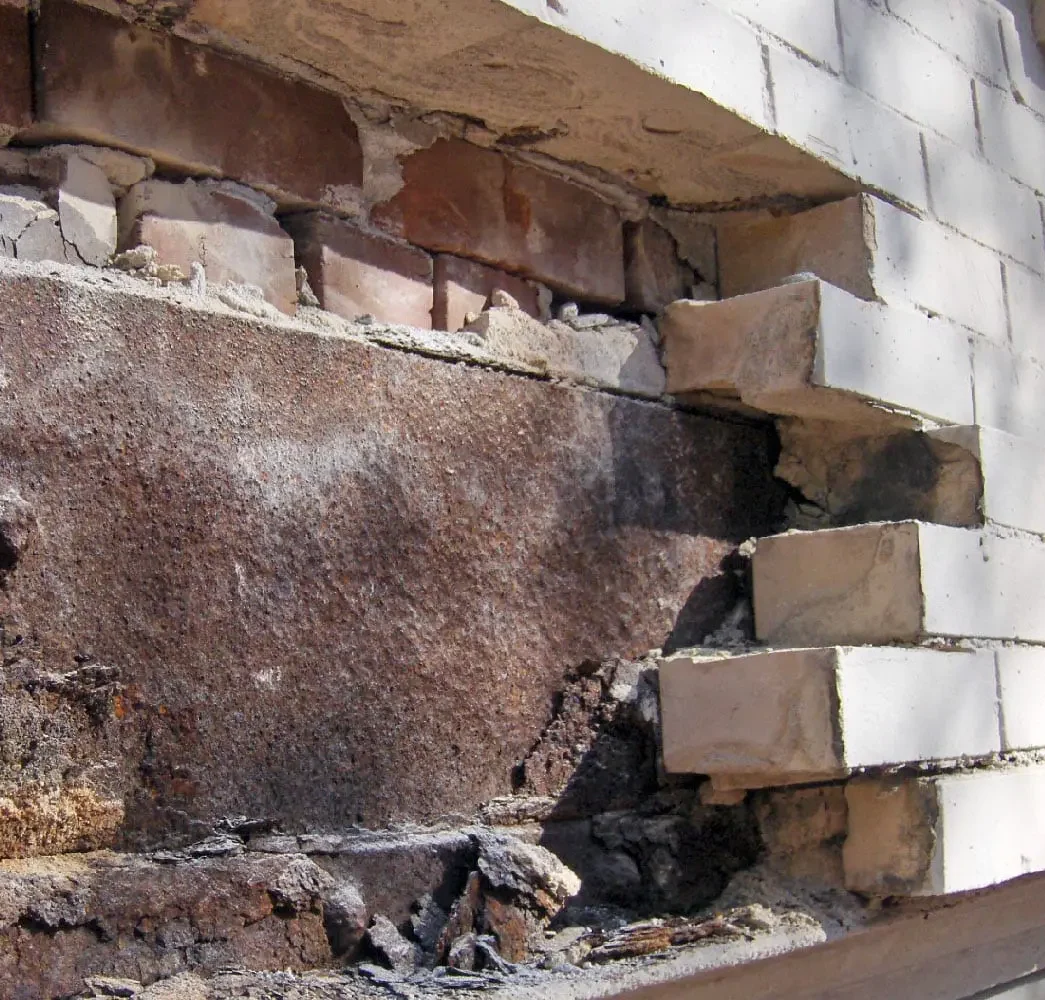
Forensic consulting for heritage buildings combines investigative methods with expert knowledge of traditional construction systems to identify the causes of deterioration, water damage, or failure. RDH develops repair strategies grounded in both forensic findings and preservation principles, addressing performance issues while protecting the building’s integrity and significance.
- Integration of forensic findings aligns investigation outcomes with preservation goals and repair scope to inform a coherent, defensible approach.
- Root cause analysis in historic assemblies evaluates failures within traditional systems or hybrid construction, accounting for the specific behavior of legacy materials.
- Stabilization of heritage elements identifies and prioritizes immediate interventions to protect fragile systems from further deterioration while longer-term repairs are planned.
Related
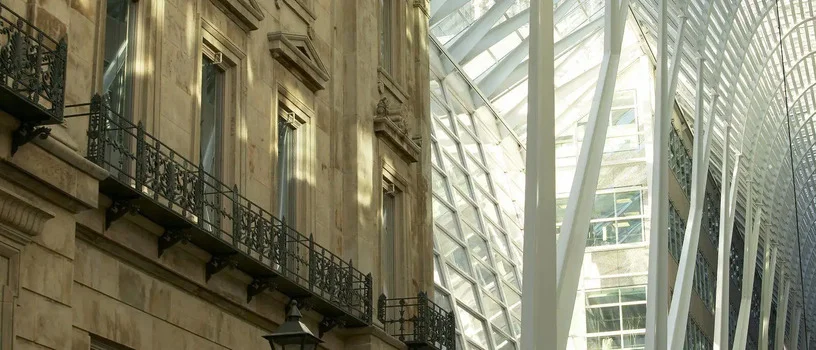
Hockey Hall of Fame – Heritage Masonry Conservation and Facade Repairs
Toronto, ON