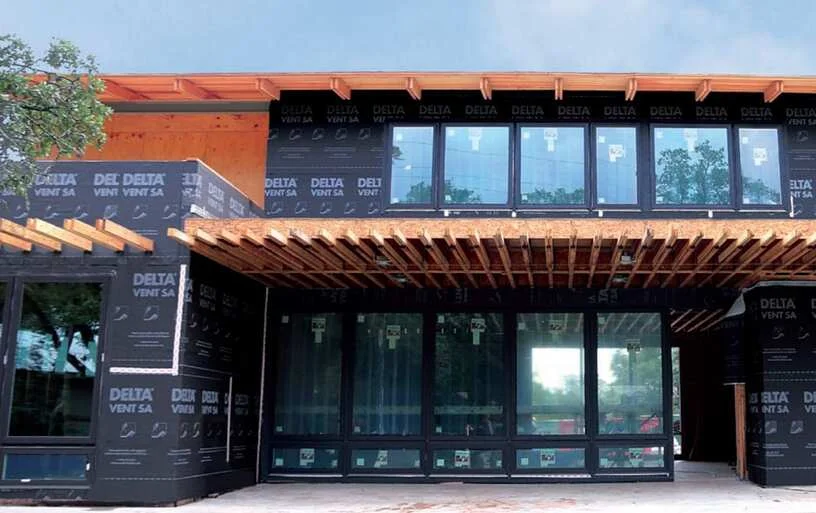
Research, Development, and Demonstration (RD&D)
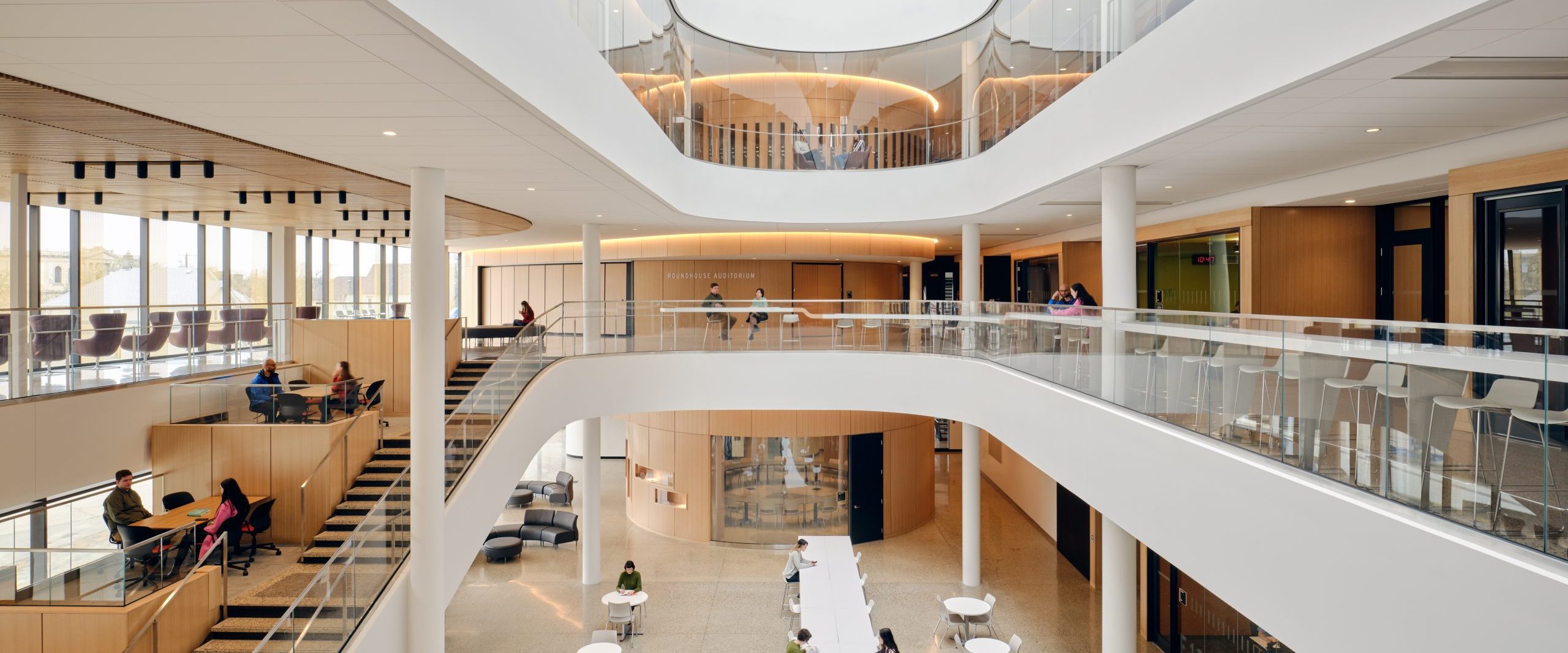
RD&D services support product innovation, system evaluation, and long-term building performance improvements through structured testing and applied research. We work with manufacturers, research institutions, utilities, and government agencies to develop, validate, and refine high-performance solutions.
Using lab testing, field monitoring, and simulation, our multidisciplinary teams evaluate how systems perform in real-world conditions. RDH helps clients reduce uncertainty, advance innovation, and improve building outcomes.
Services
Climate resilience and adaptation strategy services help manufacturers, researchers, and project teams understand how buildings and products will perform under current and projected climate conditions. RDH translates climate data and hazard exposure into actionable design criteria, detailing guidance, and material selection decisions, supporting both product development and building-level resilience planning.
- Climate risk and resiliency consulting analyzes site-specific hazard exposure and building or product vulnerability to inform design and development strategies.
- Wildfire-resistant enclosure consulting evaluates materials and assembly detailing to address ignition risk and fire spread, particularly relevant for products and projects in fire-prone regions.
- Climate hazard guidance translates future climate data into technical inputs that inform design strategies and product performance targets.
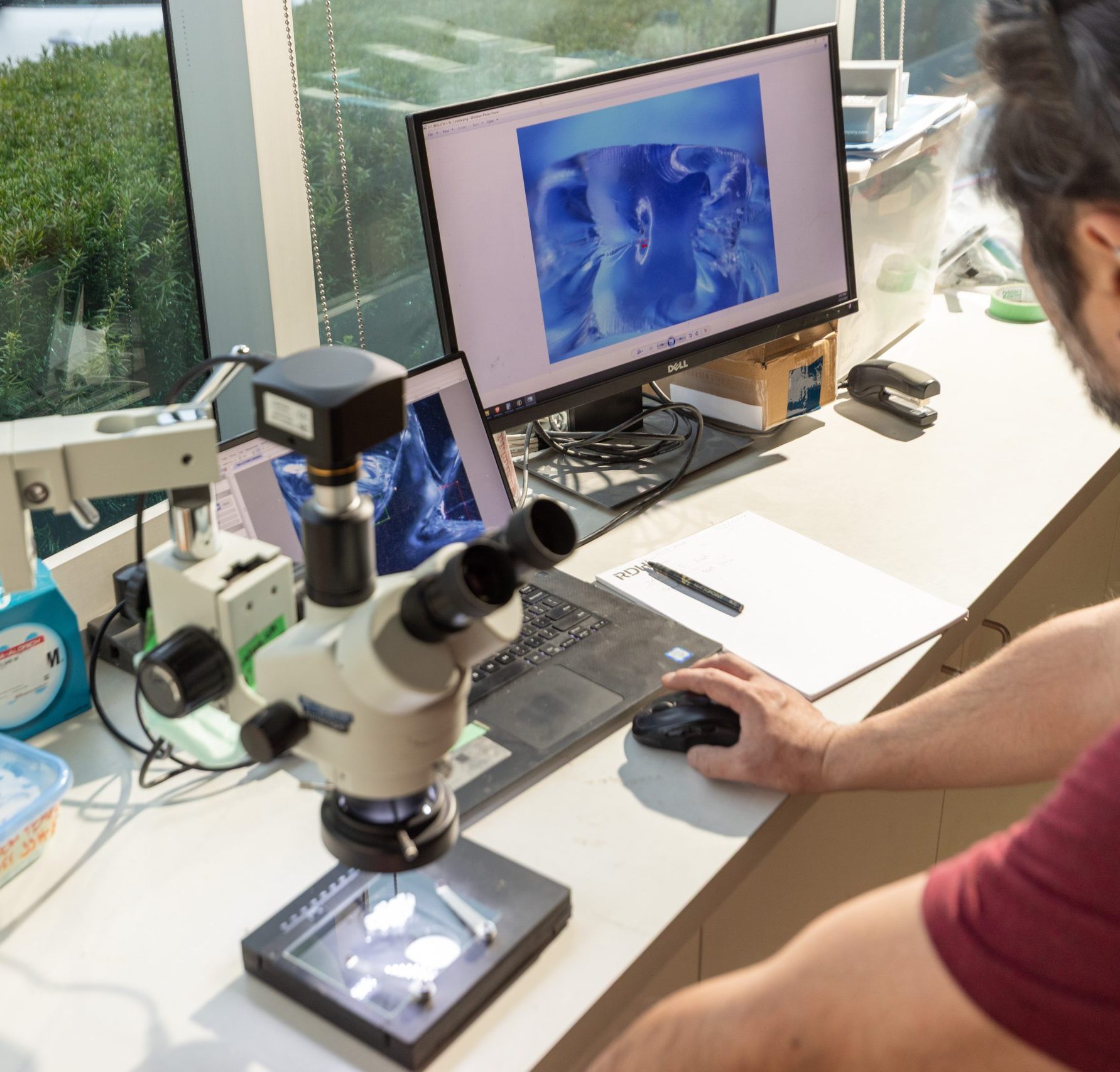
Laboratory testing services give manufacturers, researchers, and developers controlled, evidence-based evaluation of material and assembly performance before field deployment. RDH conducts both standardized and customized test programs, including the development of novel test methods and apparatus for systems that fall outside existing protocols.
- Material property testing evaluates the physical, thermal, and moisture characteristics of enclosure components.
- Subassembly testing investigates how materials and interfaces perform together under controlled conditions.
- Full-scale assembly testing replicates installation and use conditions to evaluate performance at scale.
- Test method and apparatus development designs custom procedures and test setups for non-standard systems or novel materials.
- Custom equipment manufacturing builds tools and test rigs to support new product development or fabrication workflows.
- Equipment troubleshooting diagnoses and resolves issues with testing or installation-related equipment.
Field testing and monitoring services design and implement site-based programs to observe real-time building behavior under actual conditions. RDH helps teams verify performance, monitor ongoing conditions, and diagnose issues that cannot be replicated in a controlled laboratory setting.
- On-site performance monitoring uses sensors and data logging to measure real-world enclosure and building system behavior over time.
- Diagnostic field testing identifies root causes of performance issues or confirms successful installation through targeted site-based evaluation.
- Instrumentation setup and calibration supports accurate data collection through proper equipment placement, configuration, and ongoing maintenance.
Product and system development services support manufacturers and researchers in refining building products, materials, and assemblies from concept through construction-ready implementation. RDH provides input across performance criteria, constructability, durability, and integration with enclosure design and construction workflows.
- Building product innovation support assists with development targets, prototyping, and technical performance benchmarks.
- Prototype testing and evaluation validates durability, thermal performance, and other key metrics against project or program requirements.
- System integration consulting aligns product design with installation sequencing, detailing, and construction realities to support buildable outcomes.
Forensic analysis support services connect failure investigation with product improvement, helping clients investigate causes and turn those findings into improvements that reduce risk and strengthen product design. RDH investigates root causes, models failure mechanisms, and applies findings directly to product refinement and next-generation system design.
- Root cause evaluation for material failures identifies why a product or material failed under field or test conditions, drawing on physical evidence, lab testing, and documentation review.
- Collaborative failure modeling combines visual evidence, simulation, and lab testing to reconstruct performance breakdowns and evaluate contributing factors.
- Feedback loop to product development applies investigation findings to improve next-generation systems and assemblies, reducing the risk of recurring failures.
Related
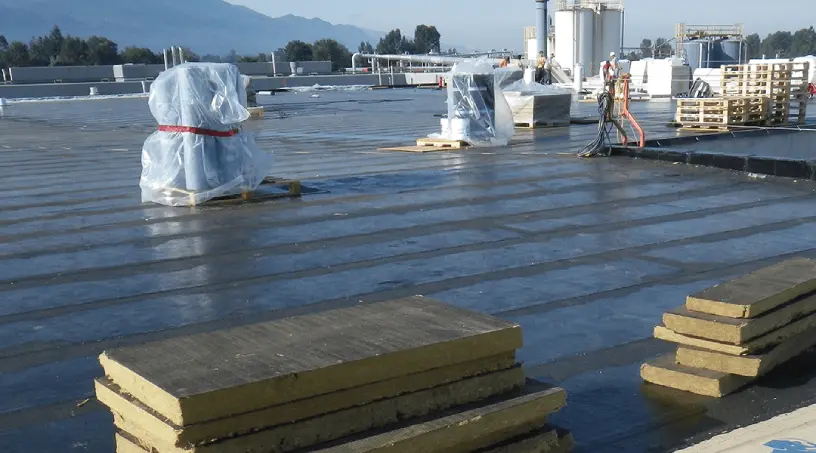
Conventional Roofing Study
Waterloo, ON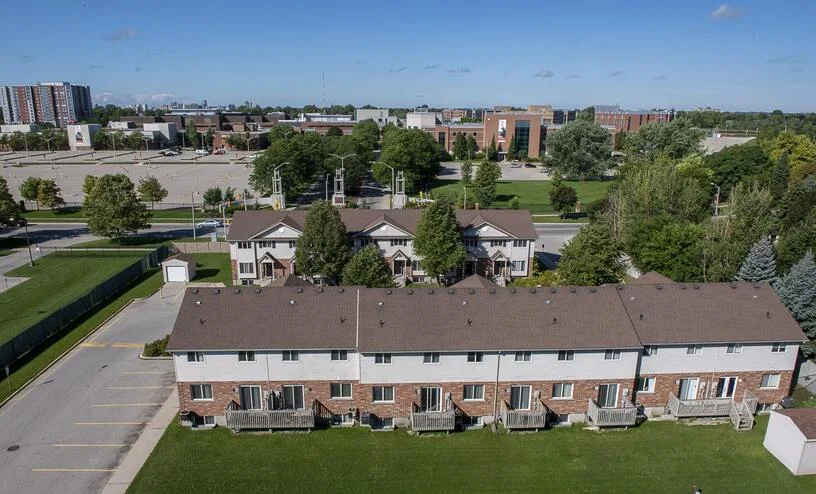
Fanshawe College – Kestrel Court Residence Development
London, ON