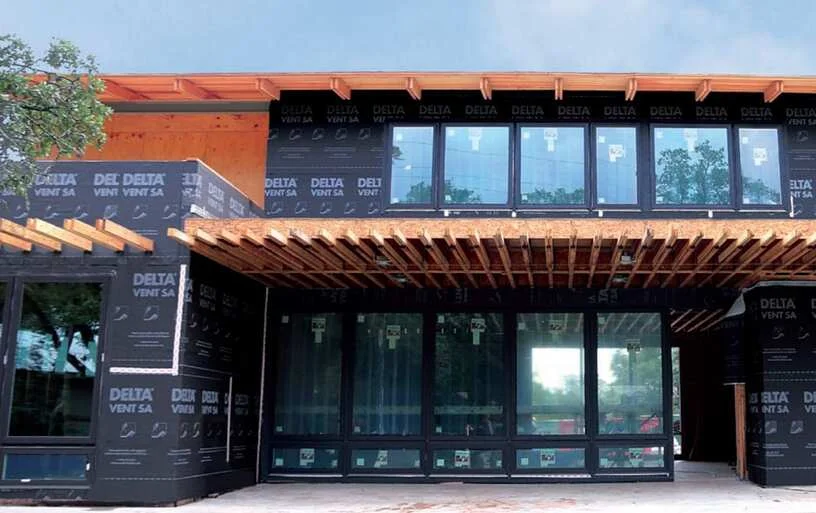
Research, Development, and Demonstration (RD&D)
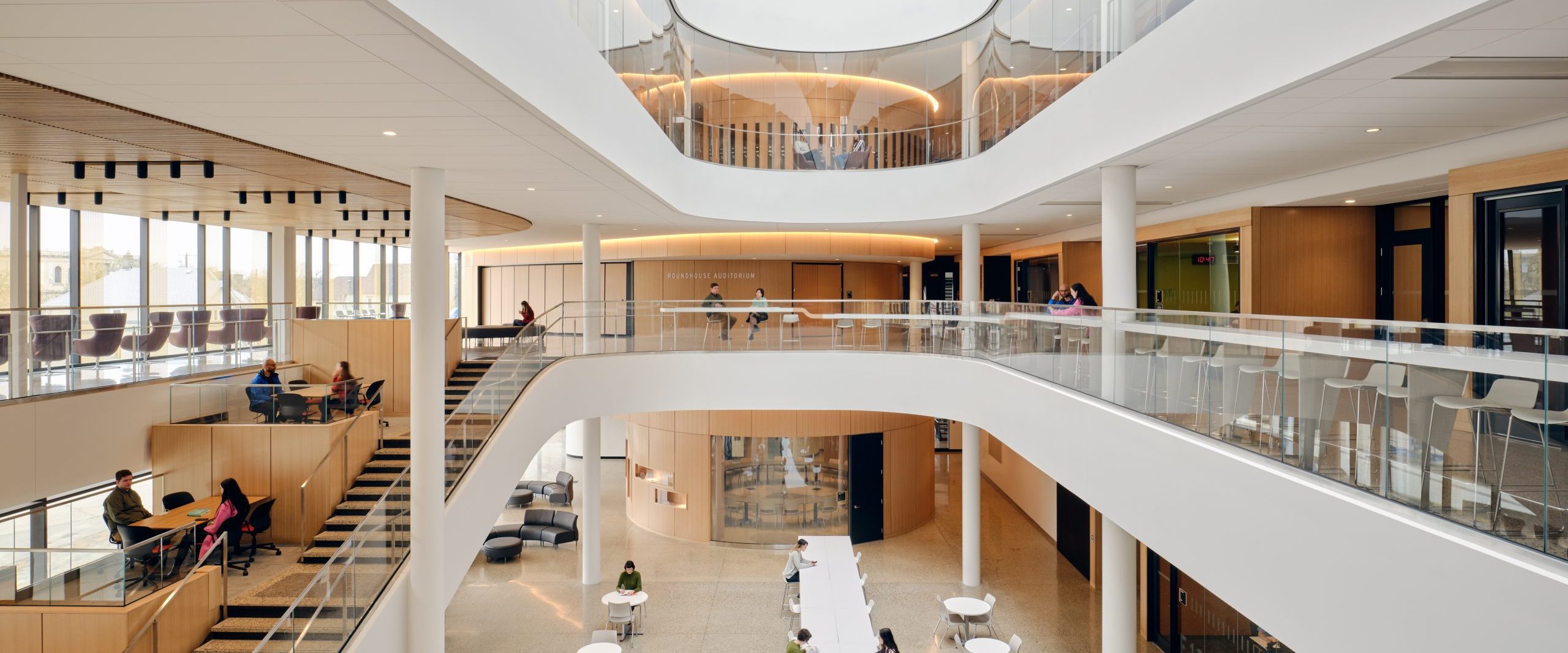
RD&D services support product innovation, system evaluation, and long-term building performance improvements through structured testing and applied research. We work with manufacturers, research institutions, utilities, and government agencies to develop, validate, and refine high-performance solutions.
Using lab testing, field monitoring, and simulation, our multidisciplinary teams evaluate how systems perform in real-world conditions. RDH helps clients reduce uncertainty, advance innovation, and improve building outcomes.
Services
Applied research and demonstration services investigate building science questions through testing, analysis, modeling, and real-world evaluation. RDH works with industry, government, research partners, manufacturers, and project teams to study how materials, assemblies, buildings, and emerging approaches perform under different conditions. Our work develops evidence that can inform design, technical guidance, standards, product development, and broader industry practice.
- Building performance research investigates the behavior of materials, assemblies, and buildings under environmental loads and operating conditions.
- Climate resilience and hazard research studies building performance under current and projected hazards, including wildfire, extreme heat, wind, and other climate-related exposures.
- Experimental and demonstration projects evaluate emerging materials, assemblies, technologies, and design approaches through mock-ups, pilot applications, field trials, and other real-world testing.
- Research partnerships bring RDH’s building science expertise to collaborative studies with government agencies, academic institutions, industry organizations, manufacturers, and other research partners.
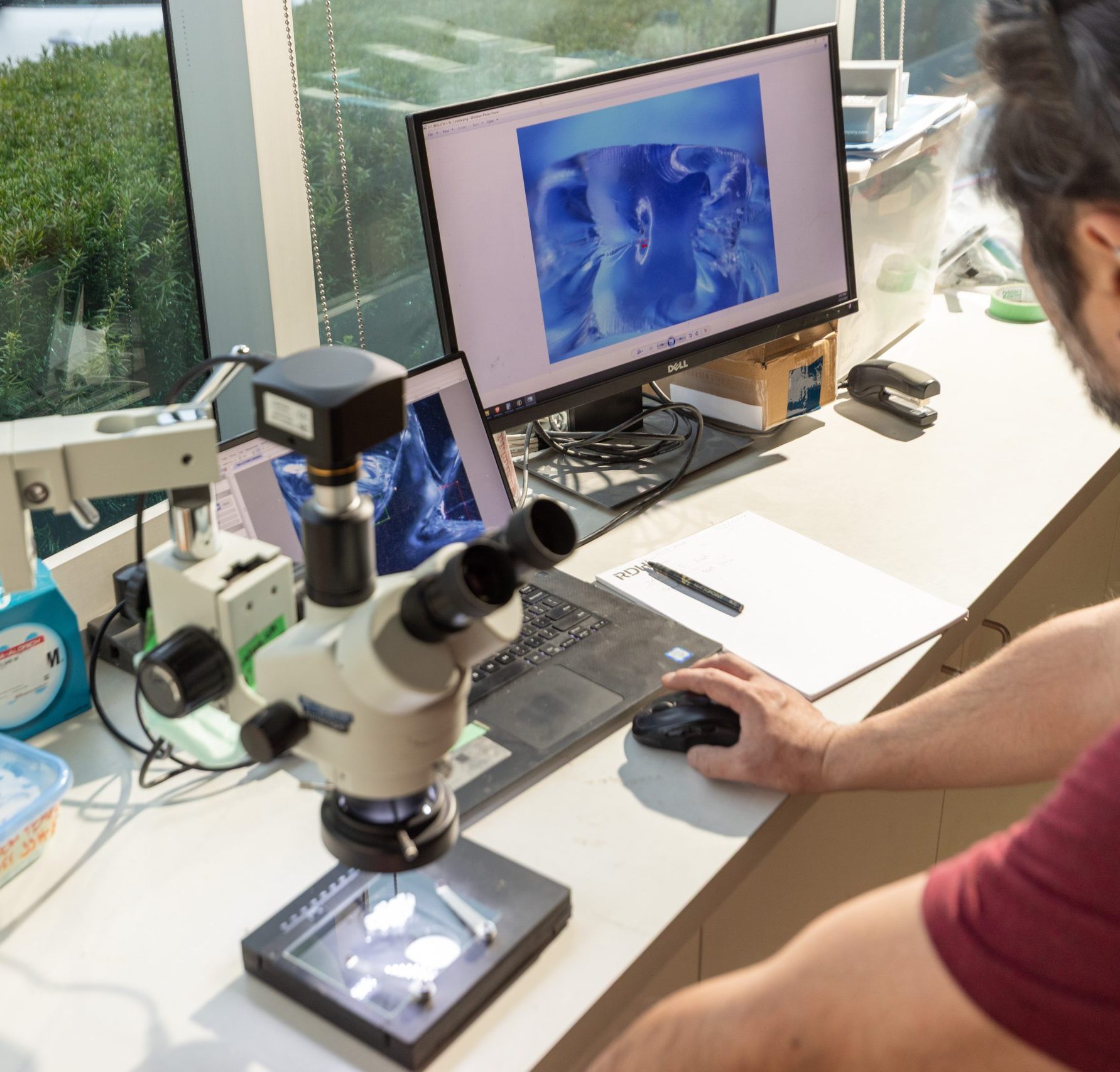
Laboratory testing services provide controlled, evidence-based evaluation of material, component, and assembly performance. RDH conducts standardized and customized test programs to support research, product and system development, performance evaluation, modeling, and forensic investigation. Our capabilities include developing test methods, instrumentation, and apparatus for materials and systems that fall outside established protocols.
- Material property testing evaluates physical, thermal, and moisture-related characteristics of building materials and enclosure components.
- Subassembly testing investigates how materials, components, and interfaces perform together under controlled conditions.
- Full-scale assembly testing evaluates assemblies under controlled conditions that replicate environmental exposure, installation, or use.
- Test method and apparatus development develops custom procedures, instrumentation, and test setups when standard methods do not address the question being investigated.
- Accredited testing provides ISO 17025-accredited testing for applicable material properties and supports certification, technical documentation, modeling, and other performance evaluations.
Field testing and monitoring services evaluate how buildings, materials, and assemblies perform under real-world conditions. RDH uses in-situ testing, instrumentation, and short- and long-term monitoring to collect performance data, investigate system behavior, and compare measured results with design expectations, laboratory findings, and analytical models. Results can support research, product and system development, forensic investigation, and performance evaluation.
- Airtightness testing and air leakage assessment measure enclosure airtightness and identify air leakage pathways to evaluate performance under field conditions.
- Water penetration testing evaluates how enclosure systems and interfaces respond to controlled water and pressure exposure in installed conditions.
- Infrared thermography documents thermal patterns to investigate heat loss, thermal bridging, air leakage, and other enclosure performance characteristics.
- Tracer smoke and electronic detection identify and document air and moisture movement pathways through assemblies and interfaces.
- Adhesion and pull-off testing evaluates material adhesion and field-applied system performance under installed conditions.
- Moisture monitoring and assessment track moisture conditions within materials and assemblies to evaluate changes, trends, and long-term performance.
- Instrumentation and long-term monitoring collect environmental and building performance data over time, including temperature, relative humidity, moisture content, driving rain, wind, and other project-specific variables.
Product and system development services support manufacturers and research partners in developing, evaluating, and refining building products, materials, and assemblies. RDH combines building science expertise with laboratory and field testing, modeling, and practical construction knowledge to understand performance at both the product and system level and inform development decisions.
- Product development support helps establish performance criteria, evaluate design concepts, and inform the development and refinement of building products and systems.
- Prototype testing and evaluation uses laboratory and field testing to evaluate performance, identify limitations, and inform product refinement.
- System-level performance evaluation examines how products perform as part of an assembly, including interactions with adjacent materials and components and the effects of environmental and operating conditions.
- System integration consulting evaluates compatibility, detailing, installation, sequencing, and constructability to support effective integration into building assemblies.
Forensic analysis support applies research, testing, monitoring, and modeling to investigate building, material, and assembly failures. RDH combines physical evidence with building science analysis to understand failure mechanisms and contributing factors. Findings can resolve immediate technical questions while also informing product development, design practice, test methods, and future research.
- Root cause and failure analysis combines field observations, material and assembly testing, monitoring, documentation review, and building science analysis to identify failure mechanisms and contributing factors.
- Failure modeling and experimental investigation uses simulation, laboratory testing, field measurement, and other analytical methods to test hypotheses and understand how failures develop.
- Applied learning from failures translates findings from forensic investigations into improvements to products, assemblies, design approaches, test methods, and technical guidance.
Policy and program consulting helps public agencies, utilities, and industry organizations turn building performance goals into requirements and programs that can work in practice. RDH brings a building science perspective to policy development, connecting ambitious goals with an understanding of how buildings actually perform and how the industry works.
Our work can begin with the technical research needed to shape a new policy or program and continue through implementation and evaluation.
- Code and standards support develops the technical basis for new or updated building performance requirements.
- Utility and incentive program support helps define performance requirements and practical approaches to implementation.
- Program monitoring and evaluation assesses whether programs are achieving their intended outcomes and identifies opportunities for refinement.
- Decarbonization and climate policy studies examine how building performance goals can be translated into practical policy and implementation pathways.
Related
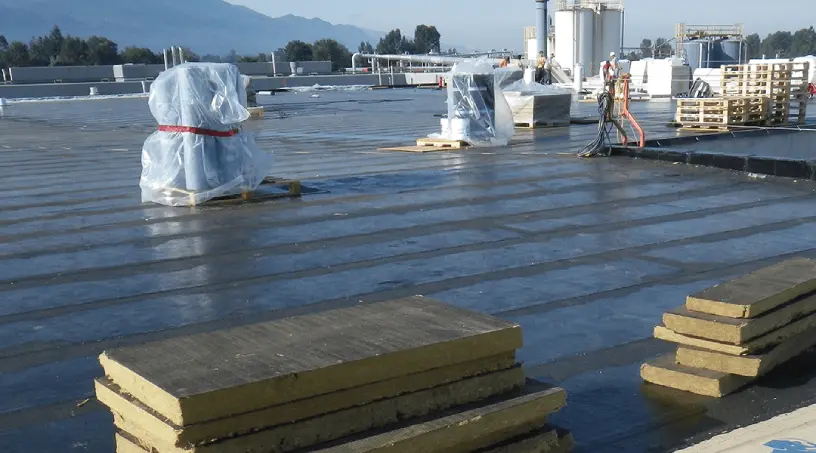
Conventional Roofing Study
Waterloo, ON
Fanshawe College – Kestrel Court Residence Development
London, ON