Structural Engineering
Our Structural Engineering services bridge enclosure-specific detailing and whole-building structural performance. We specialize in the design of curtain wall and glazing support systems for new construction and facade retrofits, integrating performance criteria such as wind, seismic, blast, and thermal loads. For existing buildings, we deliver tailored evaluation and retrofit strategies grounded in both analytical modeling and real-world constructability.
Our team partners with architects, contractors, and manufacturers to develop code-compliant, constructible solutions—whether supporting custom facade systems or developing retrofit designs for aging structures. With deep experience in complex interface detailing, material behavior, and field coordination, we bring structural clarity to high-performance enclosures, seismic upgrades, litigation support, and everything in between.
Services
Glazing and cladding engineering provides structural design and detailing services for facade systems on new buildings and retrofit projects. RDH supports architects, glazing contractors, and manufacturers in developing code-compliant, constructible solutions across curtain wall, window wall, rainscreen, and custom cladding assemblies, integrating wind, seismic, blast, and thermal load requirements from early design through fabrication.
- Cladding design and detailing develops structural detailing for rainscreen, panelized, and masonry veneer systems, supporting secure and code-compliant attachment.
- Glazing engineering provides structural design for window wall, curtain wall, and point-supported glazing systems, integrating loading demands and deflection limits.
- Glass structure consulting delivers structural support for specialty glass elements such as guards, stairs, and structural walls, balancing load capacity, safety, and design intent.
- Glazing system development collaborates with manufacturers to create new facade systems, including unitized assemblies and custom anchorage solutions.
- Blast-resistant design provides detailing for high-risk environments, addressing blast load requirements through structural modeling and system evaluation.
Structural investigation and assessment services evaluate existing buildings to document deterioration, identify causes of distress, and assess readiness for upgrades, adaptive reuse, or continued occupancy. RDH combines field-based observation with structural analysis to deliver clear findings for owners and design teams managing older, compromised, or high-risk structures.
- Structural condition assessment evaluates material degradation, corrosion, load capacity, and system performance across the building structure.
- Change-of-use evaluations determine whether existing structures can support new occupancy types, functional needs, or heavier loads.
- Distress and deterioration diagnosis identifies causes of cracking, settlement, corrosion, and other failures affecting structural performance.
- Serviceability and code compliance review examines deflection limits, serviceability criteria, and alignment with current structural code requirements.
- Forensic investigation supports insurance claims and litigation with expert evaluation of structural and enclosure-related failures. (See also: Forensics, Litigation and Claims Support.)
Structural rehabilitation and retrofit services address deterioration, seismic risk, and evolving code requirements for buildings that are occupied, operational, or historically significant. RDH develops retrofit strategies that balance engineering requirements with constructability, phasing, and stakeholder goals, covering everything from targeted strengthening to full structural upgrades.
- Retrofit strategy development establishes a clear path for structural upgrades, including access planning, construction phasing, and integration with enclosure work.
- Structural strengthening design provides detailed designs for columns, beams, diaphragms, and connections requiring upgrade or load redistribution.
- Code compliance evaluation identifies required interventions based on local codes, intended use, and permit review requirements.
- Historic structural rehabilitation develops solutions that preserve character-defining elements while upgrading strength, resilience, and performance.
Seismic assessment and retrofit design services address structural vulnerability in moderate- to high-risk seismic zones, with particular experience integrating seismic strategies with facade systems and phasing plans for occupied buildings. RDH aligns seismic retrofit scope with carbon reduction goals and capital timing wherever the project allows.
- Seismic risk evaluation analyzes structural vulnerability based on building type, condition, and site-specific seismic exposure.
- Seismic retrofit design develops detailing and phasing plans for targeted seismic upgrades, including structural and facade interface zones.
- Historic seismic rehabilitation supports code-compliant seismic improvements for heritage and historically designated buildings.
- Sustainability-aligned seismic strategies combine seismic upgrades with decarbonization planning, resilience goals, and capital timing to improve overall project value.
Structural engineering litigation and claims support provides independent evaluation of performance failures and construction disputes for attorneys, insurers, and building owners. RDH engineers prepare expert reports, technical exhibits, and courtroom testimony grounded in both structural analysis and real-world construction context.
- Expert report preparation delivers clear, evidence-based findings to support litigation strategy or resolution.
- Legal consultation and testimony supports legal teams with expert insight, deposition preparation, and in-court representation.
- Structural failure analysis diagnoses collapse mechanisms or system failures to attribute responsibility and clarify repair scope.
Structural monitoring and instrumentation services design and implement programs to measure displacement, vibration, and movement in existing buildings. RDH supports baseline documentation, long-term performance tracking, and construction impact monitoring across a range of building types and structural conditions.
- Vibration monitoring plan development establishes monitoring thresholds, alert protocols, and reporting procedures.
- Structural displacement monitoring captures movement across structural joints or facade interfaces over time.
- Settlement monitoring tracks foundational shifts to detect subsidence or instability.
- Pre- and post-construction condition surveys document baseline and post-activity conditions for buildings affected by nearby construction activity.
Related
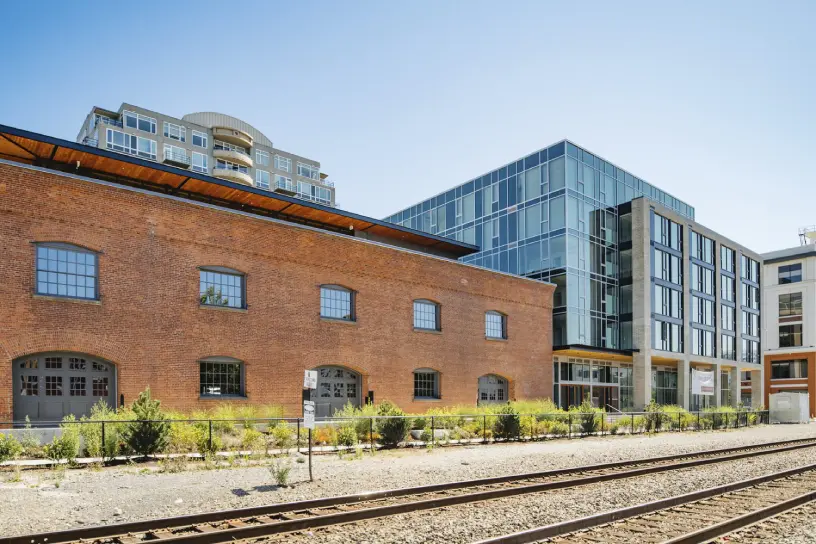
Ainsworth & Dunn
Seattle, WA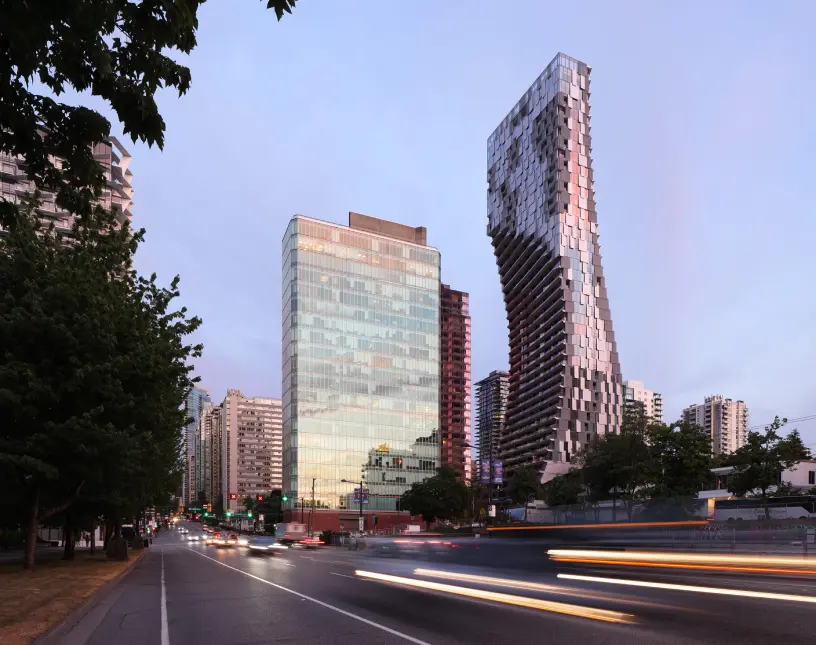
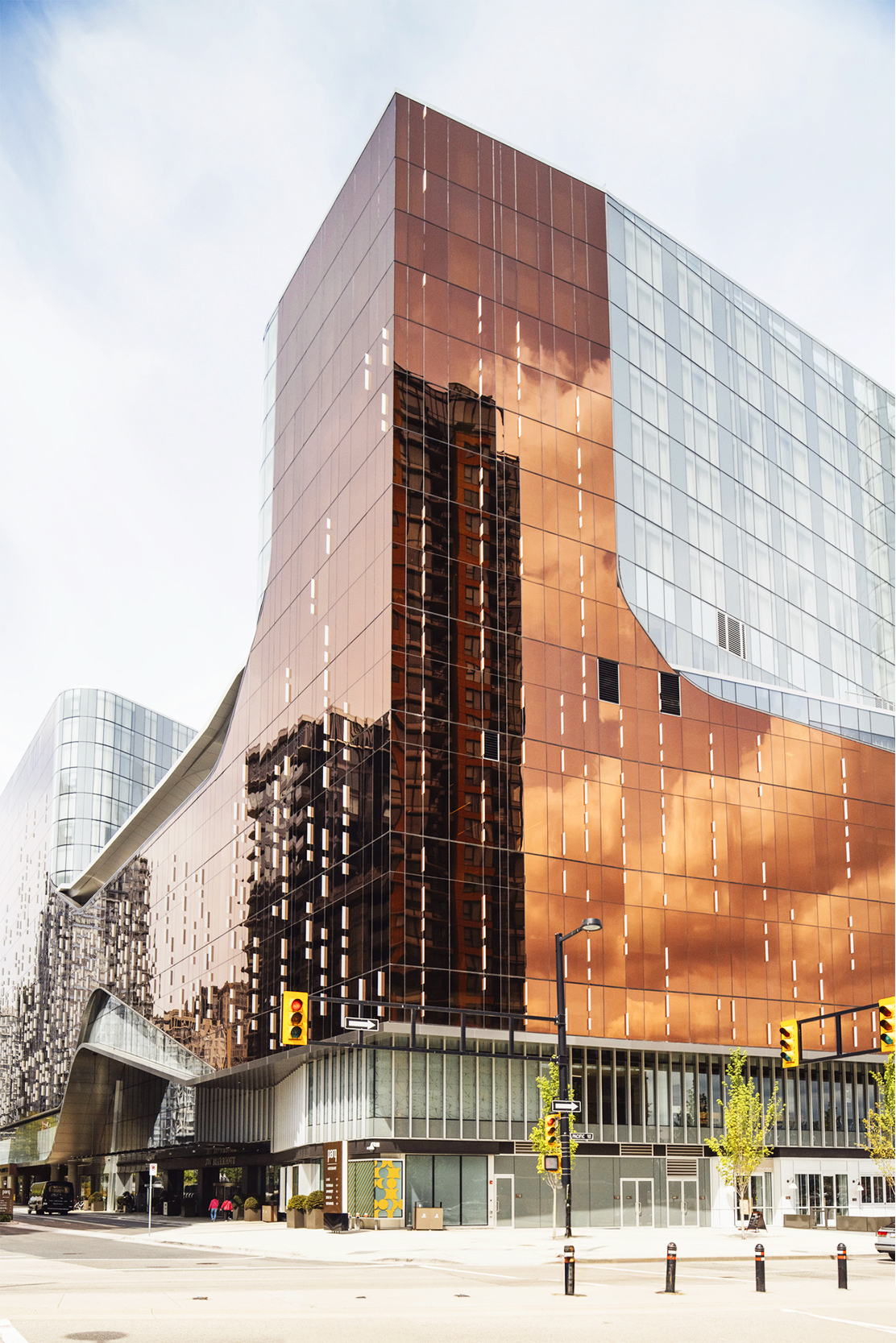
Alberni by Kengo Kuma
Vancouver, BC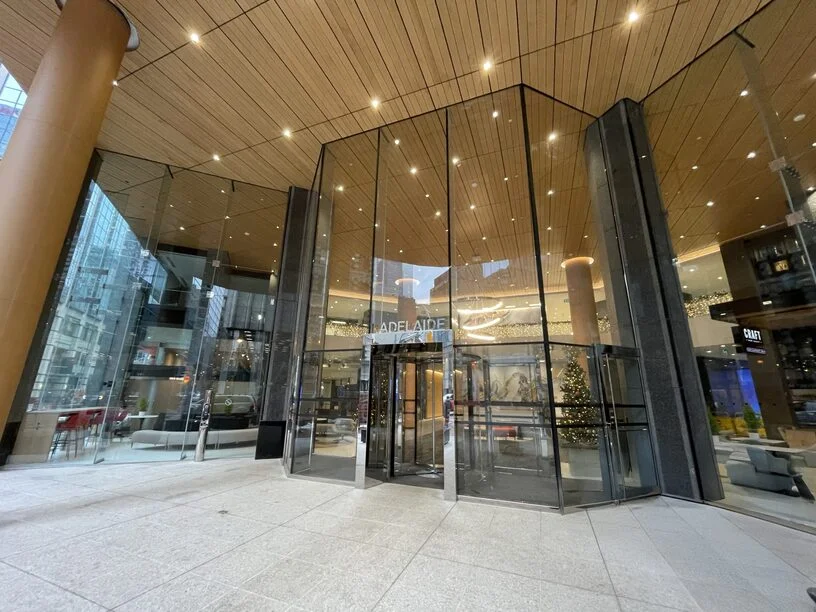
1 Adelaide Revitalization
Toronto, ON