Asset Management
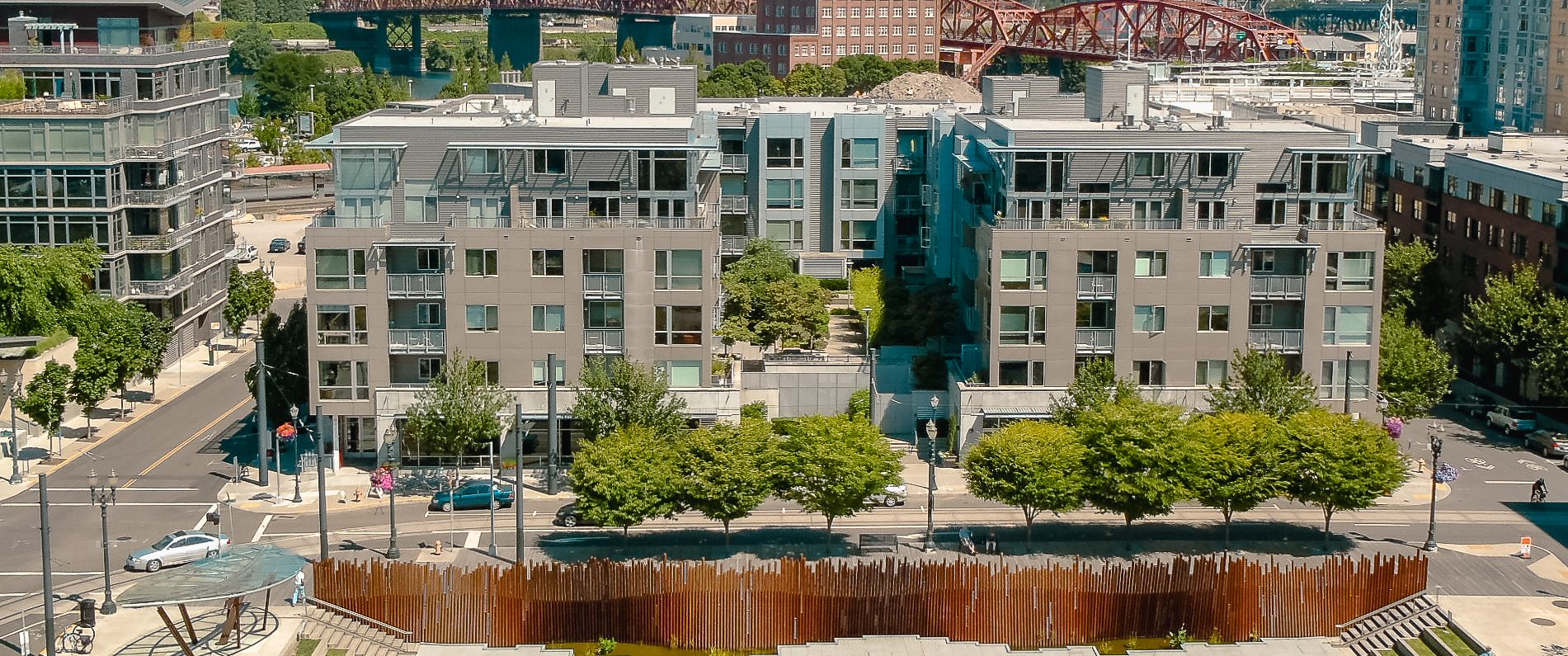
Our Asset Management services give building owners, property managers, asset advisers, HOAs, and strata councils clear, data-driven roadmaps for every stage of a building’s life. From reserve studies and facility condition assessments to decarbonization planning and energy audits, we turn data into actionable capital plans that improve resilience, support code compliance, and protect long-term value.
Whether you manage a mid-rise in Seattle or Portland, a real estate portfolio across Canada, or a university campus, our engineers and project managers connect current condition data with lifecycle timing, cost forecasting, and carbon-reduction targets—helping you prioritize work, mitigate risk, meet regulatory requirements, and make confident decisions.
Services
Depreciation reports are a statutory requirement for strata corporations in British Columbia and other Canadian provinces, providing strata councils and owners with a long-term forecast of repair and replacement costs for common property and common assets. RDH prepares depreciation reports in compliance with applicable provincial legislation, combining condition assessments with lifecycle cost modeling to support informed contribution planning and reserve fund management.
- Condition-based cost forecasting projects repair and replacement costs for all common building systems over a 30-year horizon.
- Reserve fund analysis compares projected costs against current reserve fund balances to identify funding gaps and support contribution planning.
- Statutory compliance support helps reports meet the specific requirements of applicable provincial legislation, including BC’s Strata Property Act and equivalent frameworks in other provinces.
Depreciation reports are a critical tool for long-term planning and reserve fund management. Hear from our team on how we develop them and put them to work for our clients: Watch the Video
Where appropriate, RDH supports strata corporations in British Columbia and other jurisdictions by coordinating and preparing Electrical Planning Reports (EPRs) with qualified electrical consultant partners. RDH helps clients interpret and apply EPR findings to inform long-term capital planning, support building electrification and retrofit strategies, and identify opportunities to access available incentives and grant programs.
Capital planning services give building owners, property managers, strata councils, and asset advisers data-driven roadmaps for managing building systems over time. RDH combines condition assessments, lifecycle cost forecasting, and renewal planning to help clients prioritize work, align budgets with regulatory obligations, and make confident decisions about when and how to invest in their buildings.
The specific deliverables vary by jurisdiction. In Canada, strata corporations are required by provincial legislation to maintain depreciation reports, which forecast long-term renewal costs and define contribution requirements for reserve funds. In the US, condominium associations and HOAs rely on reserve fund studies to evaluate reserve adequacy and meet state-level statutory or lender requirements. Across both countries, building condition assessments, facility condition assessments, property condition assessments, and energy audits inform capital planning at the building and portfolio level. Depreciation reports, reserve fund studies, and building condition assessments are each available as dedicated services.
- Maintenance and renewal planning sequences upgrades by urgency, cost, operational impact, and available funding.
- Facility condition assessments (FCA) evaluate large campuses or portfolios with system-level analysis and long-term cost forecasting.
- Property condition assessments (PCA) support real estate transactions with ASTM E2018-compliant due diligence reports.
- Energy audits identify opportunities to reduce operating costs and align energy savings with capital renewal timing.
Reserve fund studies help condominium associations, HOAs, and co-ops in the United States understand the long-term capital needs of their properties and evaluate whether current reserve contributions are adequate. RDH prepares reserve fund studies aligned with state-level statutory requirements and industry standards, providing boards and property managers with a clear picture of future obligations and funding strategies.
- Component inventory and condition assessment documents the current condition and remaining useful life of all major common elements.
- Funding plan development models contribution scenarios to support reserve fund adequacy over a multi-year horizon.
- Statutory and lender compliance support prepares studies that meet state-specific reserve study requirements and satisfy lender or insurer due diligence needs.
Building condition assessments (BCAs) provide building owners, property managers, and asset advisers with a comprehensive evaluation of a building’s physical systems, including enclosure, structure, and mechanical, electrical, and plumbing (MEP) components. RDH delivers BCAs that connect current condition data with lifecycle timing and cost forecasting, supporting capital planning, transaction due diligence, and long-term asset management decisions.
- System-level condition documentation evaluates the performance, remaining service life, and deficiencies of all major building systems, including wildfire exposure factors for portfolios in fire-prone regions.
- Capital cost forecasting projects repair and replacement costs over a multi-year horizon to support budget planning and reserve fund studies.
- Transaction and due diligence support delivers findings in formats suitable for real estate transactions, financing requirements, and portfolio-level decision-making.
Where appropriate, RDH also supports clients with Electrical Planning Reports (EPRs), coordinating and preparing EPRs for strata corporations in British Columbia and other jurisdictions in collaboration with qualified electrical consultants. EPRs complement BCAs by providing the electrical planning information needed to support long-term capital planning, building electrification, and retrofit strategies.
Decarbonization and transition planning services help building owners reduce carbon emissions while maintaining operational and financial stability. RDH develops decarbonization roadmaps that integrate with capital planning, sequencing electrification, mechanical system upgrades, enclosure improvements, and renewable energy investments to meet local code requirements, access available incentives, and support long-term building performance.
RDH supports strata corporations in British Columbia and other jurisdictions by coordinating and preparing Electrical Planning Reports (EPRs) in collaboration with qualified electrical consultants. RDH helps clients interpret and apply EPR findings to inform long-term capital planning, support building electrification and retrofit strategies, and identify opportunities to access available incentives and grants.
- Decarbonization strategy development aligns capital plans with emissions targets, policy mandates, financing programs, and incentive opportunities.
- Lifecycle retrofit planning bundles enclosure, HVAC, controls, and electrification upgrades to maximize cost and carbon savings across the building lifecycle.
- Failure investigation analyzes recurring or recent failures to inform retrofit scope and timing.
- Warranty review and compliance identifies active warranties and addresses gaps to reduce risk during capital renewal.
- Code and standards support provides technical analysis to inform regulatory development and updates.
- Incentive and funding program design establishes technical requirements and program structures aligned with market conditions.
- Monitoring and evaluation defines assessment frameworks and measures actual performance to inform program refinement.
- Decarbonization and climate policy studies assess pathways, impacts, and implementation considerations across jurisdictions.
Related
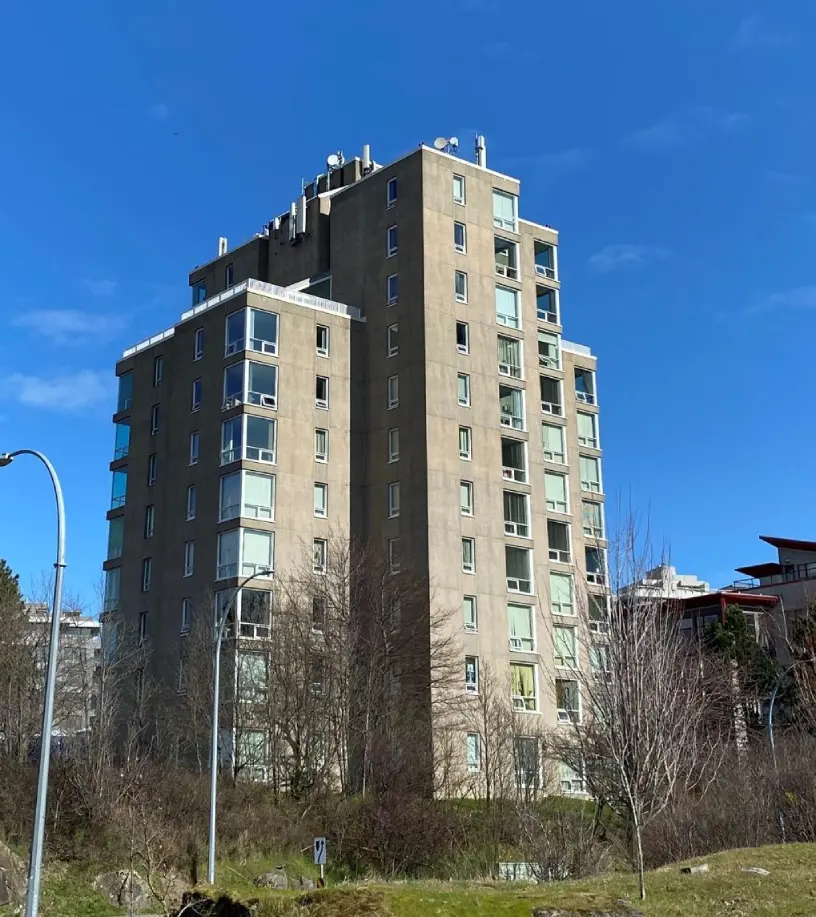
Sitkum Terrace – Deep Retrofit and Renewal Strategy
Victoria, BC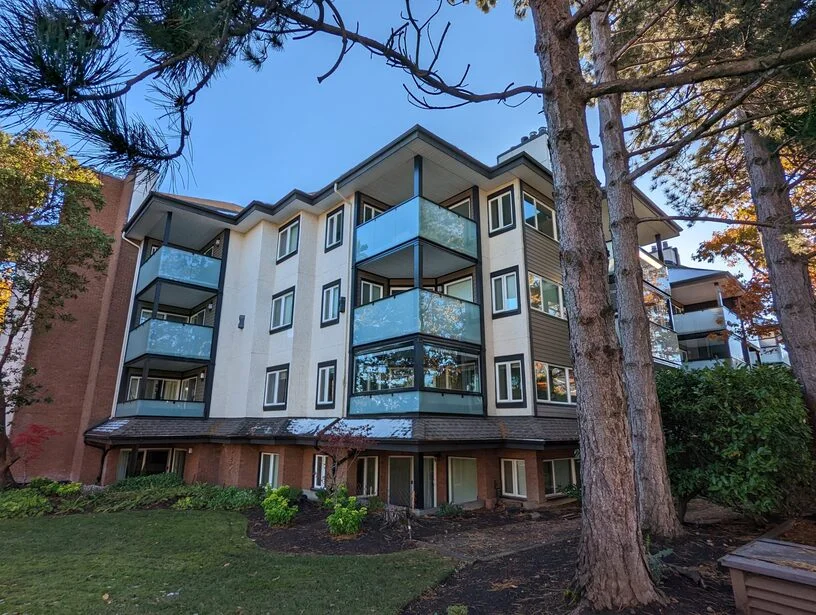
Morrison Manor – Targeted Enclosure and Balcony Renewal
Victoria, BC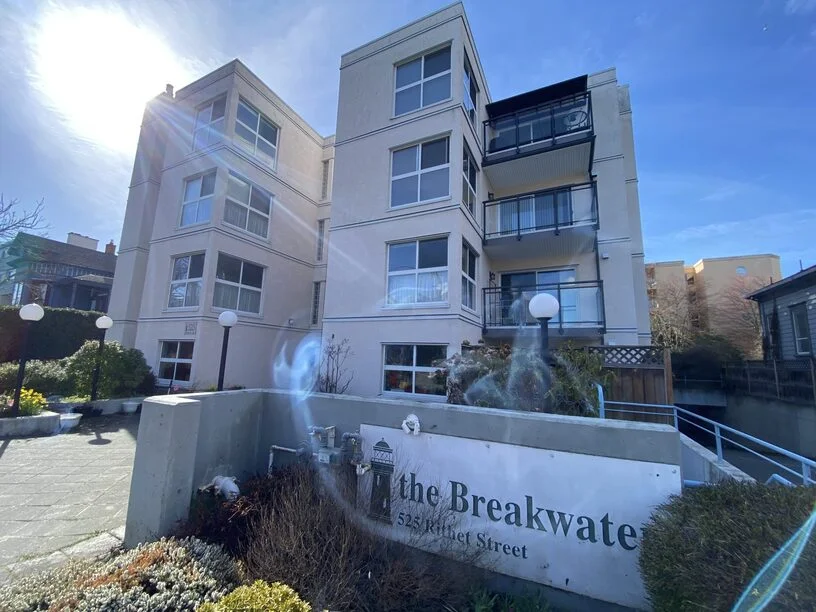
The Breakwater Rehabilitation
Victoria, BC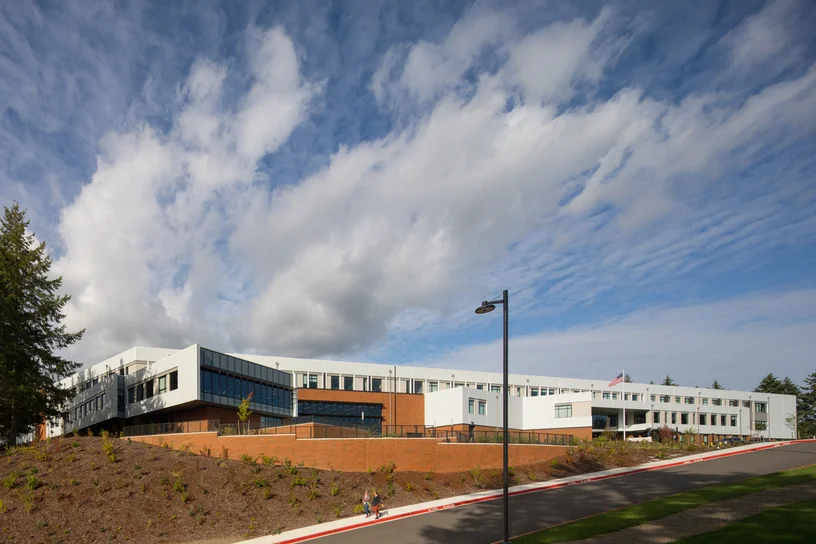
Central Kitsap High School & Middle School
Silverdale, WA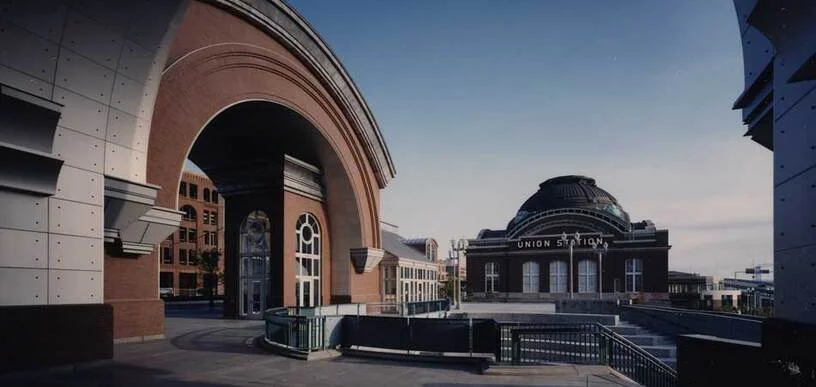
Washington State History Museum – Building Enclosure Assessment
Tacoma, WA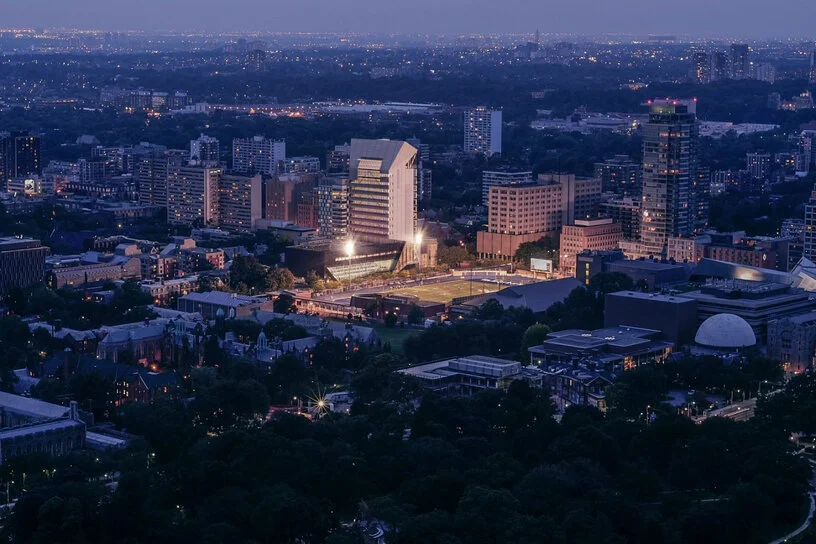
University of Toronto (UT) Academic Wood Tower
Toronto, ON
Blakeley Manor
Seattle, WA
Michaelson Manor
Seattle, WA


