Mechanical Engineering

Our Mechanical Engineering services focus on designing building systems that support comfort, efficiency, resilience, and long-term performance. We work across new construction and existing buildings to develop mechanical solutions that are right-sized, climate-responsive, and integrated with enclosure, energy, and structural design. From concept through construction, our team helps owners and design teams navigate evolving codes, technologies, and performance targets, translating ambitious goals into systems that work in practice.
We take a holistic approach to mechanical design, treating heating, cooling, ventilation, and controls as part of a broader building system rather than isolated components. By collaborating closely with architects, energy and climate specialists, and enclosure consultants, we identify opportunities to reduce energy use, improve indoor environmental quality, and support low‑carbon and electrification strategies. Whether improving ventilation in an existing building, troubleshooting system performance issues, or decarbonizing building systems, we bring technical rigor, practical insight, and a strong focus on operational outcomes.
Services
Mechanical investigation and assessment services evaluate existing conditions through targeted field review and diagnostic testing. RDH investigates a wide range of mechanical systems, including domestic, storm, and sanitary piping, as well as heating, cooling, ventilation, and controls systems, to identify performance deficiencies, deterioration, and operational risks. Findings are organized into clear deliverables that support repair planning, capital decisions, and risk management.
- Visual assessments document observed conditions to identify deterioration, operational issues, or opportunities to enhance maintenance programs.
- Invasive assessments reveal concealed mechanical components through selective sampling, confirming existing conditions against original design intent and current performance requirements.
- Leak investigation applies field diagnostics to pinpoint the source and cause of water leaks associated with mechanical and plumbing systems, with a focus on defining targeted remediation options.
- Condition reviews summarize system performance and identify priority areas for repair, replacement, or ongoing monitoring.
- Assessment reports organize findings, testing data, and recommendations into concise deliverables tailored to client decision-making.
Resilience and adaptation services help design teams and building owners evaluate and address climate-related risks, from overheating and extreme weather to wildfire exposure and long-term climate shifts. RDH translates climate projection data and hazard exposure into project-specific design criteria, system recommendations for building enclosure, mechanical, electrical, and plumbing systems, and adaptation strategies grounded in both future climate data and practical risk mitigation.
- Climate risk and resiliency consulting integrates hazard exposure, enclosure performance, and mechanical system reliability to evaluate building vulnerability under projected climate conditions.
- Wildfire-resilient enclosure consulting recommends assemblies and detailing, including roofing, windows/doors, siding, and venting, to address ember intrusion, ignition risk, and fire spread in fire-prone regions.
- Climate hazard guidance translates climate projection data into project-specific design criteria.
- Thermal comfort and overheating analysis assess occupant comfort and overheating risk under current and future climate scenarios to inform building enclosure and mechanical design for passive and active cooling strategies.
- Cooling system planning and retrofit implementation supports the evaluation, design, and delivery of new cooling or air-conditioning systems in buildings without existing cooling to address overheating, occupant comfort, and future climate conditions.
Energy performance consulting uses energy modeling and simulation to inform high-performance design, compare design alternatives, and support compliance with energy codes and certification programs. RDH’s work spans national and regional standards across North America like ASHRAE 90.1, the BC Energy Step Code, California Title 24, and the National Energy Code of Canada for Buildings (NECB), as well as sustainability certifications and incentive programs that require whole-building energy modeling.
- Energy modeling simulates operational energy use and compares design alternatives across mechanical system and building enclosure configurations.
- Net zero design consulting aligns enclosure, HVAC, electrification, and renewable energy strategies to support net zero energy and zero-carbon targets.
- Tax credit and deduction consulting supports U.S. project teams with documentation, modeling, and analysis to access federal energy efficiency incentives under §45L and §179D.
Decarbonization and transition planning services help building owners reduce carbon emissions while maintaining operational and financial stability. RDH develops decarbonization roadmaps that integrate with capital planning, sequencing electrification, mechanical system upgrades, enclosure improvements, and renewable energy investments to meet local code requirements, access available incentives, and support long-term building performance.
- Decarbonization strategy development aligns capital plans with emissions targets, policy mandates, financing programs, and incentive opportunities.
- Lifecycle retrofit planning bundles enclosure, HVAC, controls, and electrification upgrades to maximize cost and carbon savings across the building lifecycle.
- Failure investigation analyzes recurring or recent failures to inform retrofit scope and timing.
- Warranty review and compliance identifies active warranties and addresses gaps to reduce risk during capital renewal.
Energy audits and low-carbon planning services help building owners understand current energy performance and develop strategies for carbon reduction. RDH provides ASHRAE Level I, II, and III energy audits, decarbonization roadmaps, and retrofit planning aligned with both technical and financial goals. Our work supports compliance with building performance standards across North America.
- Energy audits provide ASHRAE Level I through III evaluations of operational energy use and system performance.
- Building performance standard compliance consulting supports compliance with city- and province-wide benchmarking and carbon performance regulations.
- Zero Over Time planning helps owners set phased carbon targets and define implementation milestones.
- Decarbonization planning outlines strategic interventions to reduce operational carbon and align with policy goals.
- Deep retrofit planning explores enclosure, HVAC, electrical infrastructure, and controls upgrades to improve energy performance.
- Deep retrofit implementation supports phasing, procurement, and quality assurance to bring deep retrofit projects to completion.
Depreciation reports are a statutory requirement for strata corporations in British Columbia and other Canadian provinces, providing strata councils and owners with a long-term forecast of repair and replacement costs for common property and common assets. RDH prepares depreciation reports in compliance with applicable provincial legislation, combining condition assessments with lifecycle cost modeling to support informed contribution planning and reserve fund management.
- Condition-based cost forecasting projects repair and replacement costs for all common building systems over a 30-year horizon.
- Reserve fund analysis compares projected costs against current reserve fund balances to identify funding gaps and support contribution planning.
- Statutory compliance support ensures reports meet the specific requirements of applicable provincial legislation, including BC’s Strata Property Act and equivalent frameworks in other provinces.
Depreciation reports are a critical tool for long-term planning and reserve fund management. Hear from our team on how we develop them and put them to work for our clients: Watch the Video
Building condition assessments (BCAs) provide building owners, property managers, and asset advisers with a comprehensive evaluation of a building’s physical systems, including enclosure, structure, and mechanical, electrical, and plumbing (MEP) components. RDH delivers BCAs that connect current condition data with lifecycle timing and cost forecasting, supporting capital planning, transaction due diligence, and long-term asset management decisions.
- System-level condition documentation evaluates the performance, remaining service life, and deficiencies of all major building systems.
- Capital cost forecasting projects repair and replacement costs over a multi-year horizon to support budget planning and reserve fund studies.
- Transaction and due diligence support delivers findings in formats suitable for real estate transactions, financing requirements, and portfolio-level decision-making.

Related
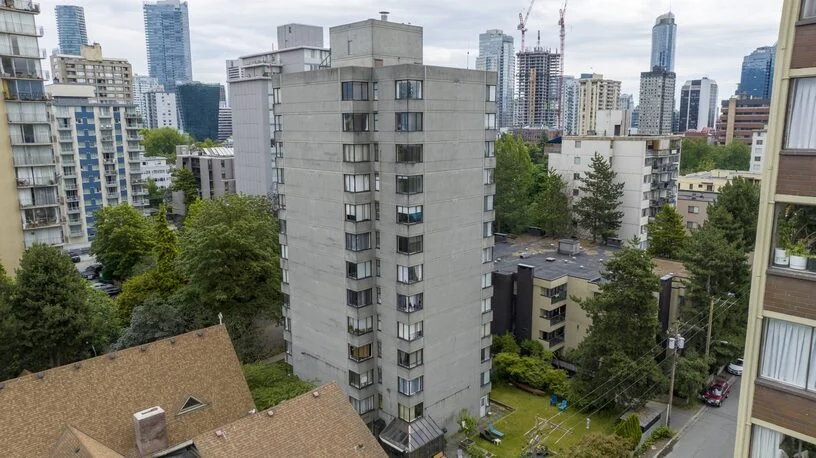
Deep Energy Retrofit Pilot Program
Vancouver, BC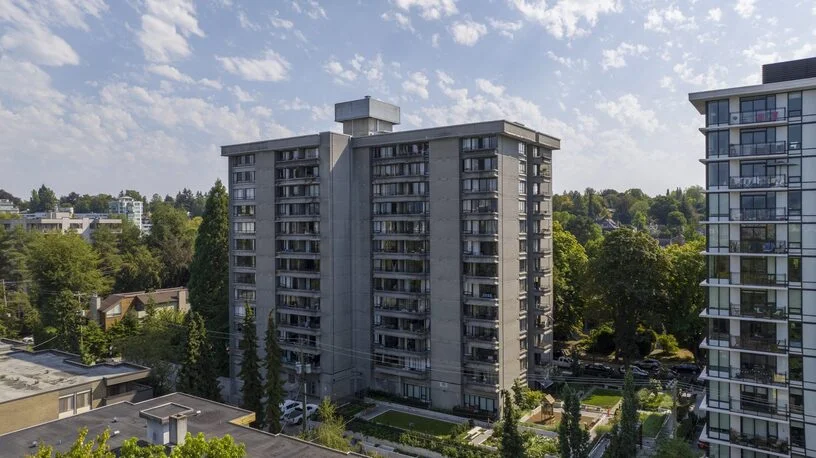
Forte Apartments
Vancouver, BC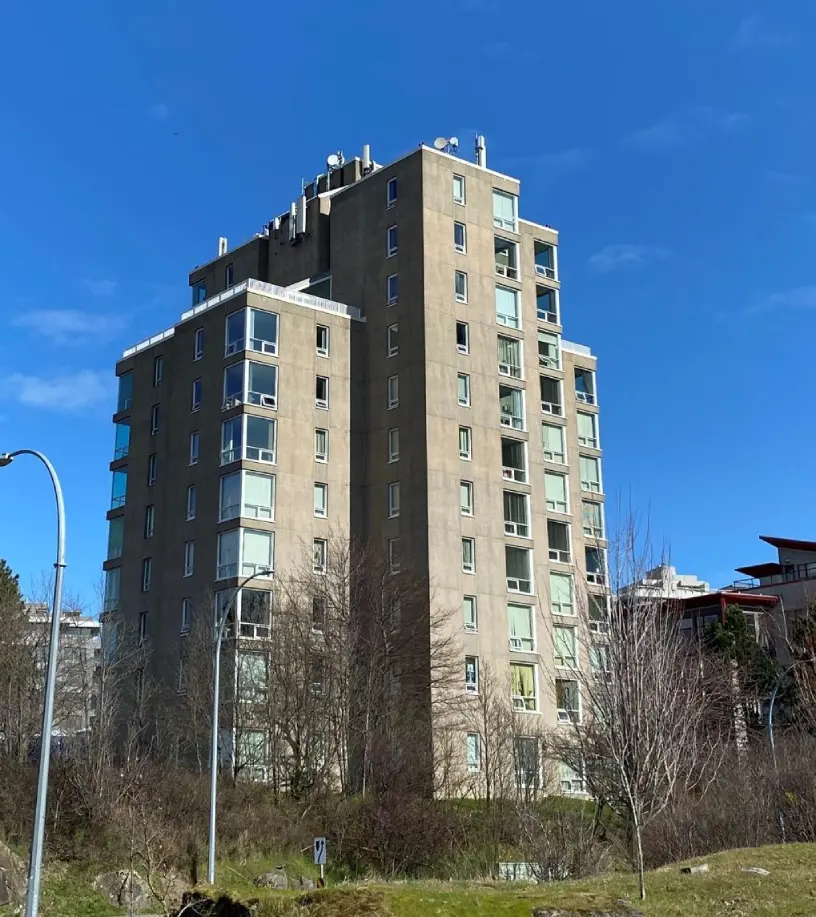
Sitkum Terrace – Deep Retrofit and Renewal Strategy
Victoria, BC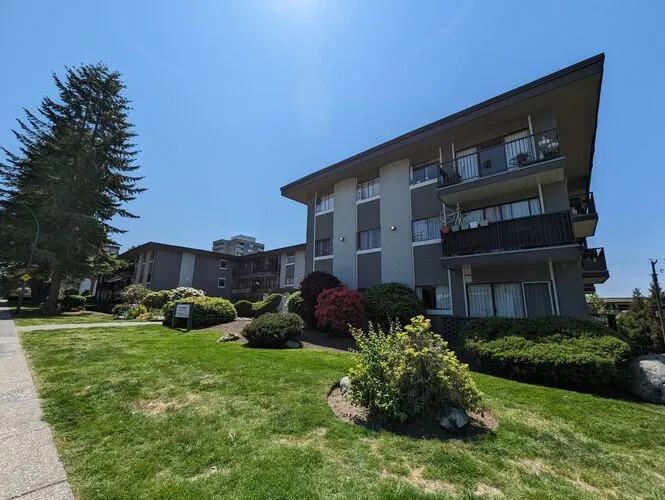
Manor House
North Vancouver, BC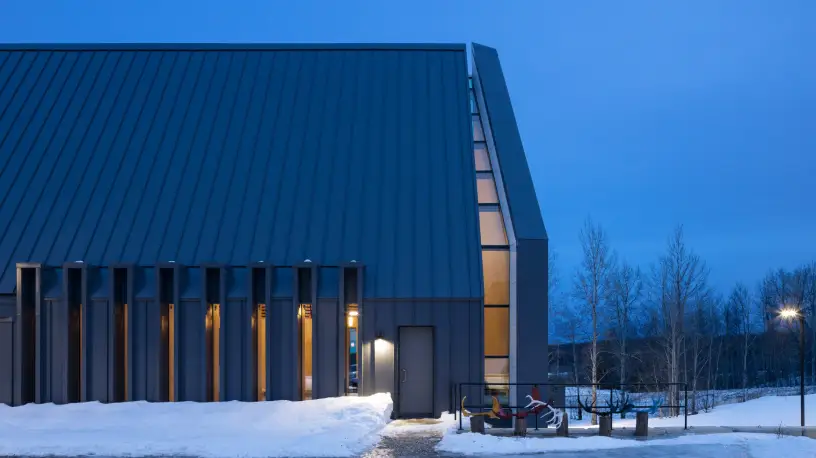
Doig River Cultural Centre
Rose Prairie, BC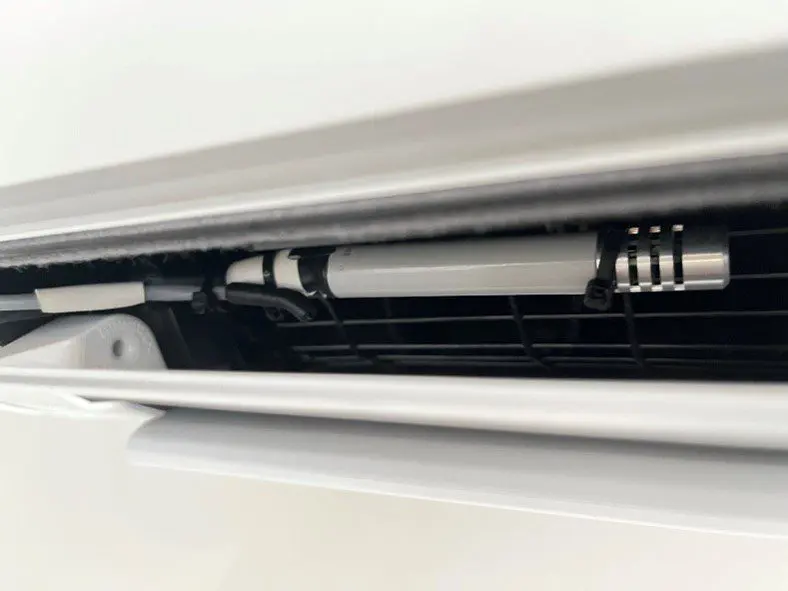
Yukon Cold Climate Heat Pump Field Study
Yukon
Quw’utsun Valley (Cowichan District) Hospital Replacement
Duncan, BC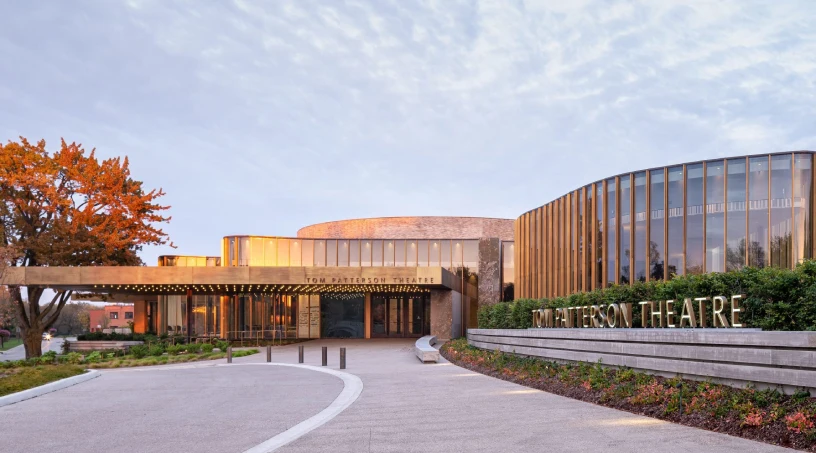
Tom Patterson Theatre
Stratford, ON