Facade Engineering
RDH’s Facade Engineering services center on the design, detailing, and definition of the performance of cladding and glazing systems on new and existing buildings. We help architects, developers, owners, contractors, and manufacturers align facade design with code requirements, constructability constraints, and long-term durability goals.
Our team specializes in complex facade assemblies, including curtain wall, specialized and custom claddings, prefabricated, and modular walls, and structural glass systems. We understand how these components interact—and how they’re actually built. By combining field insight with advanced modeling and testing experience, we bring clarity to complex interface conditions, reduce installation risk and procurement costs, and support façade performance through every phase of the project. Whether detailing a bespoke curtain wall or troubleshooting water intrusion at the window-wall interface, we translate design vision into resilient, code-compliant strategies.
Services
Pre-design consulting for facade engineering focuses on resolving complex cladding and glazing challenges before design commitments are made. RDH evaluates system options, constructability constraints, and performance criteria early in the process, helping teams align architectural intent with technical feasibility across curtain wall, rainscreen, structural glass, and custom glazing assemblies.
- Cladding design and detailing supports early selection, layout, and attachment strategies for panelized systems, rainscreens, and other cladding assemblies, with attention to structural, thermal, and water management performance.
- Glazing engineering provides performance evaluation and anchorage design for curtain wall, window wall, and custom glazing systems, incorporating seismic, blast, and thermal load requirements.
- Glass structure consulting supports structural glass elements such as stairs, guards, and canopies with code-compliant detailing and load path evaluation.
- Glazing system development helps manufacturers and glazing contractors design and refine proprietary systems, with support for fabrication, code testing, and shop drawings.
- Blast-resistant design provides input on facade and cladding systems for high-security or mission-critical projects requiring blast resistance and structural redundancy.
- Wildfire-resilient facade consulting reviews cladding material and attachment options for ignition resistance, supporting design teams in fire-prone regions under wildland-urban interface code requirements.
Detailed design consulting for facade systems bridges the gap between design intent and construction execution. RDH translates complex facade concepts into coordinated, code-compliant systems with a focus on constructability, thermal and moisture continuity, and installation sequencing. This work covers the full range of cladding and glazing types, from unitized curtain wall to custom and non-standard assemblies.
- Materials selection analysis advises on the long-term behavior of cladding materials, including glass, metal, and composites, factoring weathering, durability, maintenance requirements, and, in fire-prone regions, ignition resistance.
- Curtain wall consulting supports detailing, anchorage, and performance validation of unitized and stick-built curtain wall systems.
- Specialty facade system consulting evaluates non-standard cladding systems or complex geometries that require custom detailing and interface solutions.
- Manufacturing production design reviews extrusion profiles, fabrication constraints, and QA procedures to bridge the gap between facade design and production.
- Testing and fabrication review assesses laboratory testing, preproduction mockups, and fabrication quality to identify risks before systems reach the field.
Specifications and procurement services for facade systems support the development of clear, coordinated construction documents that align design intent with performance requirements. RDH contributes detailed Division 07/08 specifications and procurement support to reduce ambiguity, minimize change orders, and help teams evaluate bids with confidence.
- Technical specification drafting translates facade performance, testing, and QA requirements into coordinated specifications covering cladding and glazing systems.
- Tender review evaluates contractor submittals for technical compliance, coordination gaps, and constructability.
- Bidding support assists teams in reviewing substitutions, clarifying intent, and aligning scope across cladding and glazing packages.
Facade engineering field services support construction teams in verifying installation quality, confirming performance, and identifying issues before they escalate. RDH’s hands-on understanding of cladding and glazing systems informs field review activities across curtain wall, rainscreen, and custom facade assemblies.
- Construction review and testing oversight coordinates hose, chamber, and field tests to verify air and water resistance and proper installation of facade systems.
- Field review and installation observations identify workmanship and sequencing issues in the field, providing real-time input to reduce delays and defects.
- Performance verification assesses as-built facade systems for alignment with detailing, specifications, and code-mandated performance criteria.
Blast-resistant facade design provides structural and detailing input for cladding and glazing systems on high-security and mission-critical buildings. RDH evaluates facade assemblies against blast load requirements, developing solutions that balance protection, constructability, and architectural intent. This work applies to government facilities, embassy and consular buildings, data centers, and other projects where facade resilience under extreme loading is a design requirement.
- Blast load analysis evaluates facade and cladding systems against specified threat levels and performance criteria, informing system selection and detailing strategies.
- Structural redundancy design develops attachment, anchorage, and framing solutions that maintain facade integrity under blast conditions.
- System coordination integrates blast-resistant requirements across glazing, cladding, and framing packages to support constructable, code-referenced outcomes.
Applied analytics for facade engineering uses simulation, modeling, and code-driven evaluation to support design and retrofit decisions. RDH applies hygrothermal modeling, thermal bridging analysis, and facade performance simulation to help teams optimize system behavior, manage condensation and energy risk, and meet requirements under codes such as California Title 24, the BC Energy Step Code, and the Toronto Green Standard.
- Hygrothermal modeling analyzes how heat and moisture move through proposed wall and cladding assemblies to evaluate condensation risk and inform durable detailing.
- Thermal bridging analysis identifies and evaluates thermal losses at cladding transitions, window perimeters, and structural interfaces, with alignment to regional energy codes.
- Facade performance simulation assesses enclosure durability, air and water tightness, and condensation potential across system options to guide design refinement.
Glass structure consulting supports the design and detailing of structural glass elements where transparency, load capacity, and safety converge. RDH provides code-compliant detailing and load path evaluation for specialty glass applications including stairs, guards, canopies, and structural walls, working with architects and contractors to resolve the interface between visual intent and structural performance.
- Structural glass detailing develops load path solutions and connection details for glass elements carrying gravity, lateral, or impact loads.
- Code compliance evaluation reviews structural glass assemblies against applicable building codes and glazing standards, including load capacity, deflection limits, and safety requirements.
- Fabrication and installation coordination supports shop drawing review and field oversight to verify that structural glass elements are built to specification.
Related
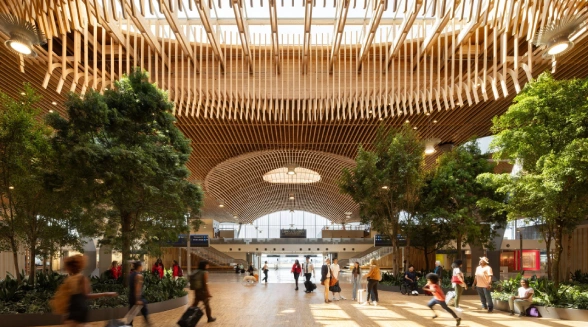
Portland International Airport Main Terminal
Portland, OR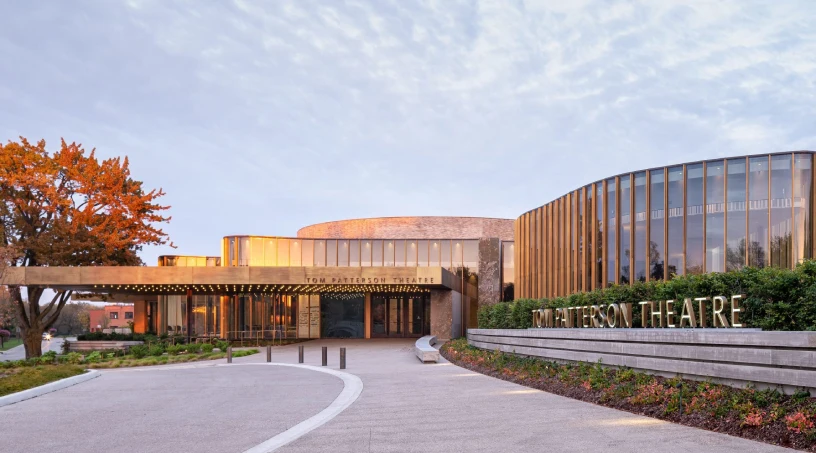
Tom Patterson Theatre
Stratford, ON
University of California, Berkeley (UCB) Helen Diller Anchor House
Berkeley, CA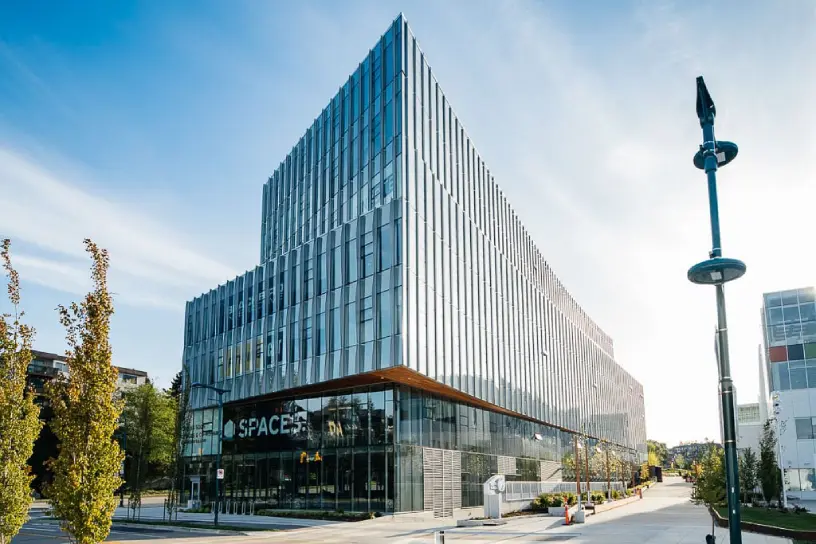
565 Great Northern Way – Facade Structural & Glazing Engineering
Vancouver, BC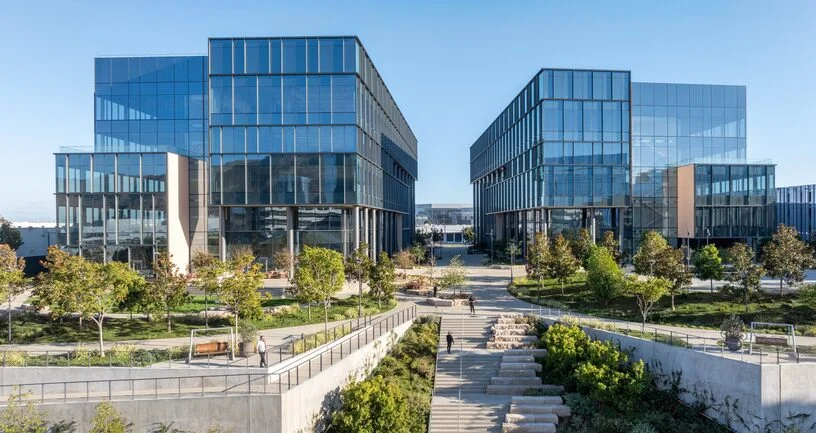
Gateway of Pacific
San Francisco, CA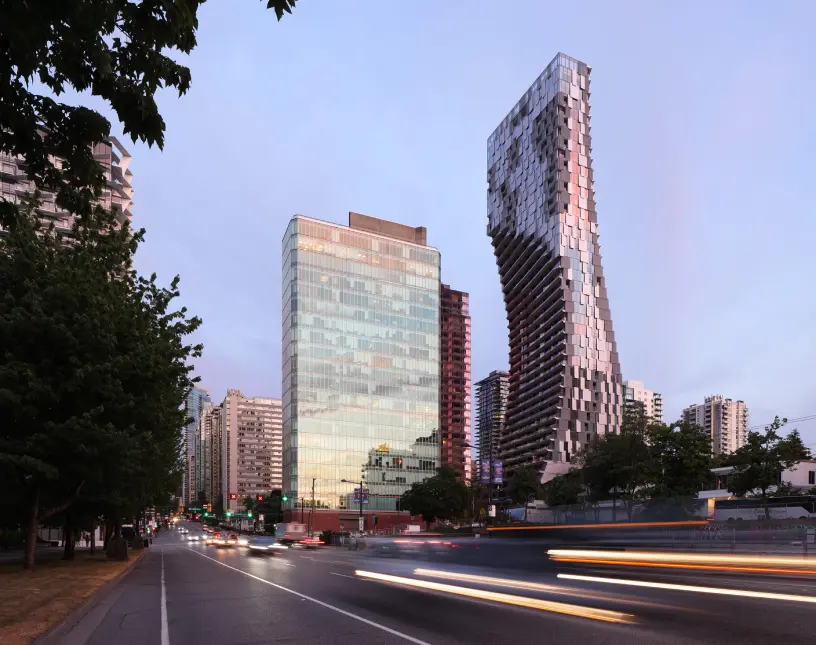
Alberni by Kengo Kuma
Vancouver, BC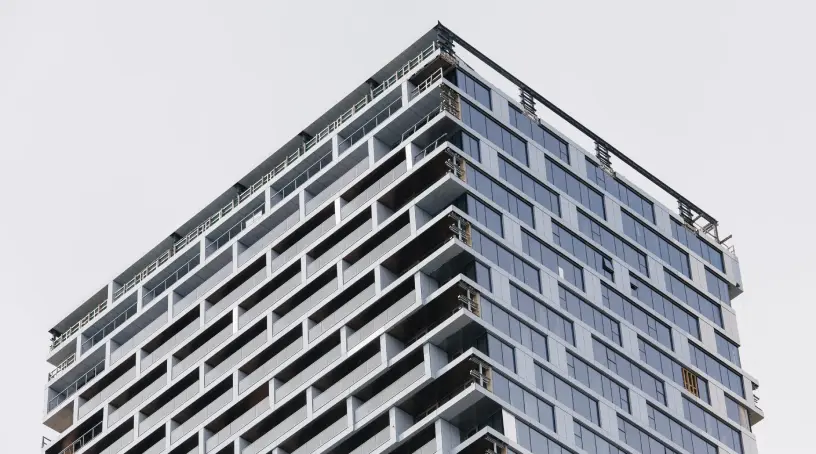
Vancouver House
Vancouver, BC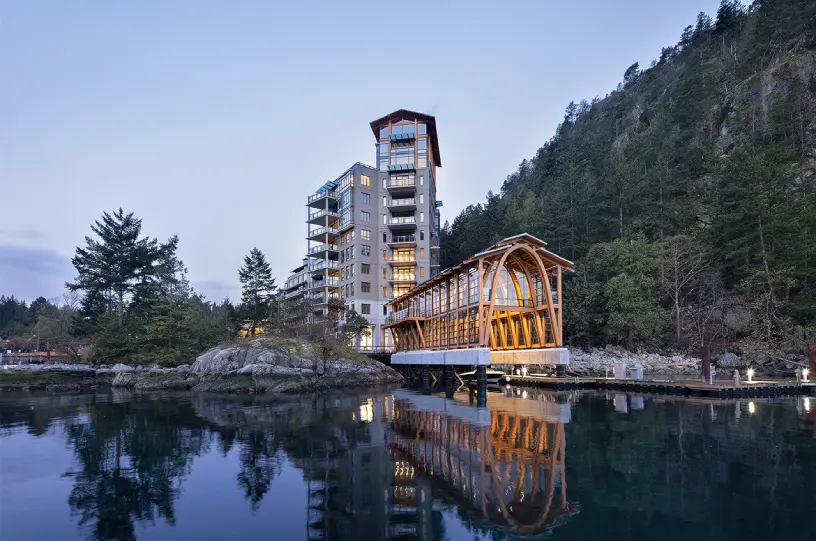
Sewell’s Marina
Horseshoe Bay, BC