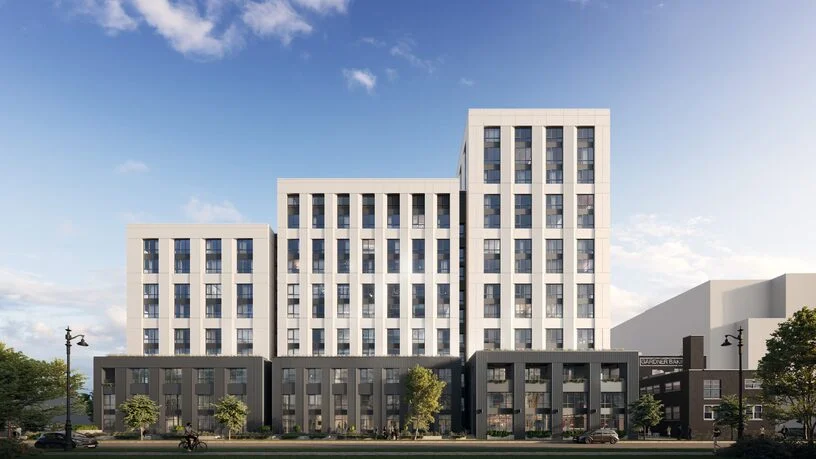
Mass Timber: RDH’s Technical Leadership
RDH has been at the forefront of research, testing, and consulting on mass timber, helping project teams translate innovation into durable, high-performance buildings. Our integrated approach brings together building science, facade engineering, and construction-phase services to manage risk from design through occupancy. With a track record of advancing best practices across North America, we deliver confidence and clarity to owners, architects, and contractors pursuing mass timber projects.
From Research to Reality
Mass timber offers speed of construction and reduced embodied carbon. But its characteristics, including moisture sensitivity, fabrication tolerances, and evolving code requirements, require specialized expertise.
Cross-laminated timber (CLT) and other engineered wood products have been used in Europe for more than 15 years, where the technology has evolved and scaled rapidly. The appeal is clear: precision fabrication, efficient construction, a reduced on-site workforce, and the replacement of high-embodied-carbon materials with a renewable resource that stores carbon.
In North America, adoption has accelerated over the last decade, driven by advancing codes, expanding supply chains, and growing demand for low-carbon construction. As one of the earliest firms to research, test, and advise on mass timber, RDH has helped translate international lessons into practical solutions for the climate, regulatory, and construction conditions of Canada and the United States.
RDH’s expertise spans laboratory investigations, hygrothermal modeling, full-scale facade testing, field monitoring, and performance evaluation. By combining building science, Structural Engineering, and Facade Engineering expertise, we help project teams deliver mass timber buildings that perform as intended.


Resources & Publications
Mass Timber Building Enclosure Best Practice Design Guide
A comprehensive technical guide to enclosure design for durability, air/water management, and construction-phase risk mitigation.
Mass Timber Building Strategies Primer (Mass Timber Institute, co-authored by RDH)
An introduction to best practices for designers, developers, and builders entering the mass timber space.
Moisture Risk Management Strategies for Mass Timber Buildings
Guidance on moisture protection during transportation, storage, erection, and occupancy.
RDH Technical Papers, Webinars, and Conference Presentations
Including presentations at the International Mass Timber Conference, AIA Center for Architecture, and other forums, where RDH shares practical strategies for enclosure design, moisture management, prefabrication, and risk mitigation in tall timber projects.

Market Sectors
We deliver mass timber solutions across a range of market sectors, including:
- Higher Education
- Life Sciences
- Residential
- Civic + Government
- Commercial Office
- Hospitality
- Mixed-Use
- Athletic Facilities
An RDH Point of View
Controlling risk during fabrication, transport, and construction is key. We emphasize the importance of early-stage planning, where design decisions about enclosure interfaces, coatings, and penetrations establish durability pathways:
- Moisture Risk Management: Identifying exposure scenarios and selecting protection systems to safeguard wood elements during all phases of construction and occupancy.
- Durability Through Science: Leveraging hygrothermal simulations, lab testing, and monitoring to predict performance under varying conditions.
- Prefabrication Advantages: Drawing from RDH’s research and presentations, including Graham Finch’s work on prefabrication strategies, we help teams leverage factory-built mass timber components for speed, precision, and reduced on-site risk.
- Design-Assist Delivery: Collaborating with architects, engineers, and contractors to de-risk detailing and streamline fabrication.
- Code Compliance: RDH contributes to evolving North American codes and standards, aligning projects with leading-edge compliance strategies.


What Sets Us Apart
Field-Tested Leadership: We are the authors of industry-shaping resources including the Mass Timber Building Enclosure Best Practice Design Guide and the Mass Timber Building Strategies Primer that are widely referenced by architects, engineers, and contractors.
Integrated Expertise: RDH brings together building science, facade engineering, structural detailing, and construction-phase services, supporting mass timber projects from concept through completion.
Research-Driven and Evidence-Based: Our guidance is informed by decades of lab testing, hygrothermal modeling, and field monitoring, giving project teams confidence in every recommendation.
Industry Influence: Our experts are regularly invited to present at leading global forums such as the International Mass Timber Conference, where RDH helps shape best practices and elevate industry standards.
Collaborative Approach: We work with architects to advance design intent, with contractors to achieve constructability, and with owners to deliver long-term durability, performance, and carbon reduction goals.
Our Capabilities in Mass Timber
RDH provides comprehensive mass timber expertise spanning design, construction, research, and long-term performance evaluation. Our team helps project teams manage moisture, durability, enclosure integration, and embodied carbon considerations while supporting successful implementation through testing, field monitoring, forensic investigations, and code advancement initiatives.

- Design consulting for prefabricated facade and roof assemblies
- Hygrothermal analysis to address condensation, drying potential, and long-term durability
- Integration of glazing, cladding, and roofing with mass timber structures
- On-site moisture management plans for storage, staging, and erection
- Field review and monitoring of construction-phase protection strategies
- Full-scale assembly testing to validate performance prior to installation
- Laboratory testing of coatings, membranes, and sealants
- Field monitoring of in-service mass timber buildings to assess real-world performance
- Initiatives advancing code acceptance and best practices
- Investigation of moisture-related failures and durability
- Development of remediation and retrofit strategies
- Embodied Carbon Analysis
Related
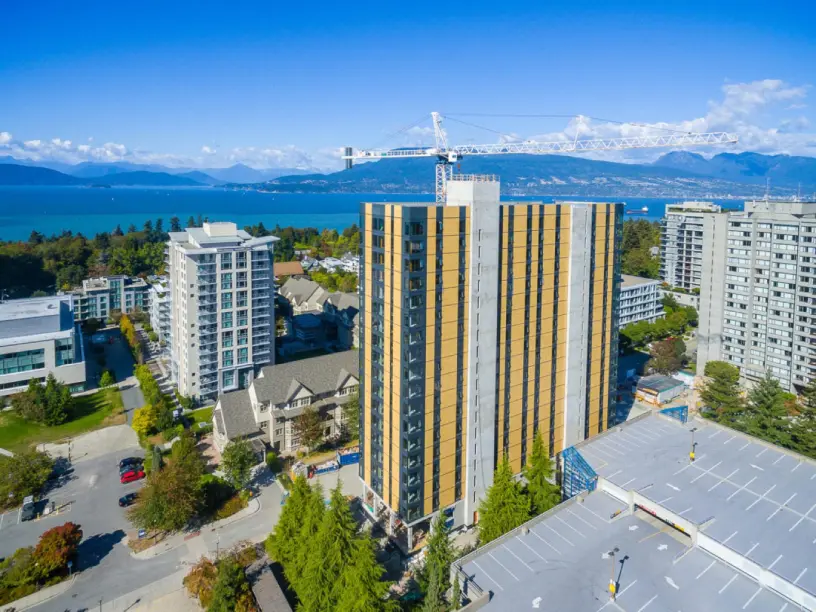
Brock Commons Tallwood House
Vancouver, BC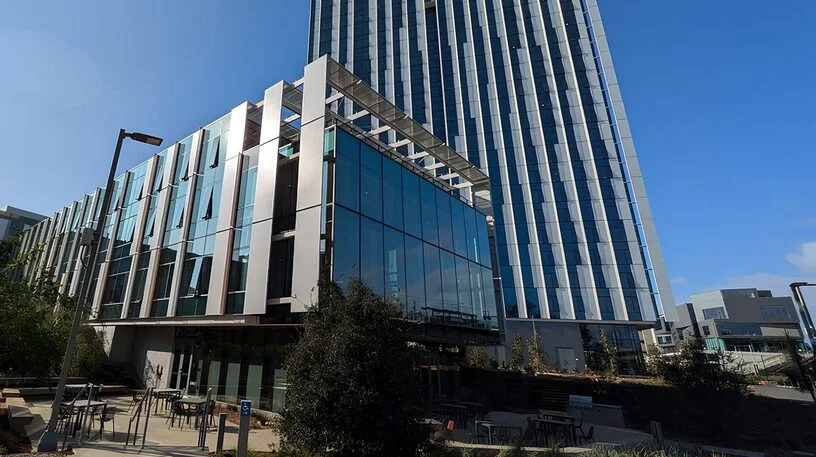
University of California, San Diego (UCSD) Pepper Canyon West Living and Learning Neighborhood
San Diego, CA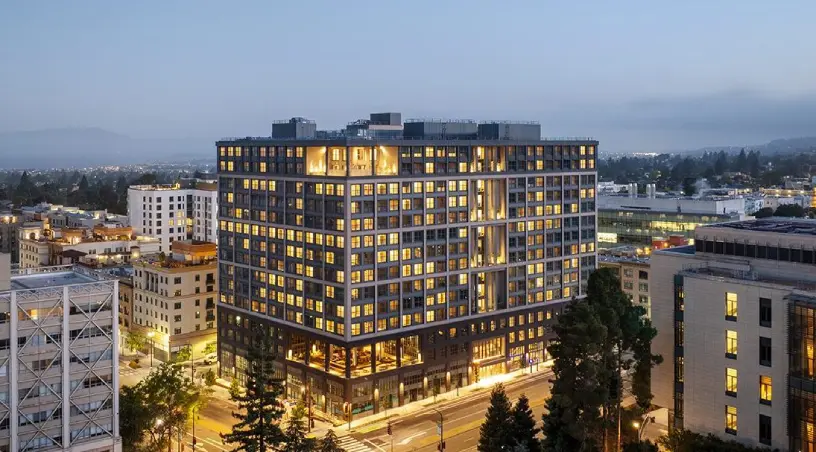
University of California, Berkeley (UCB) Helen Diller Anchor House
Berkeley, CA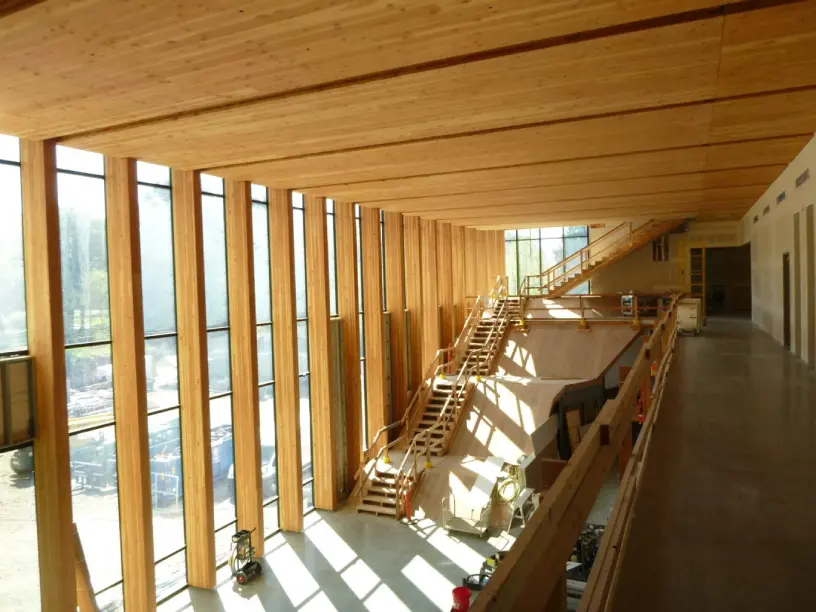
Oregon State University (OSU) Forest Science Complex
Corvallis, OR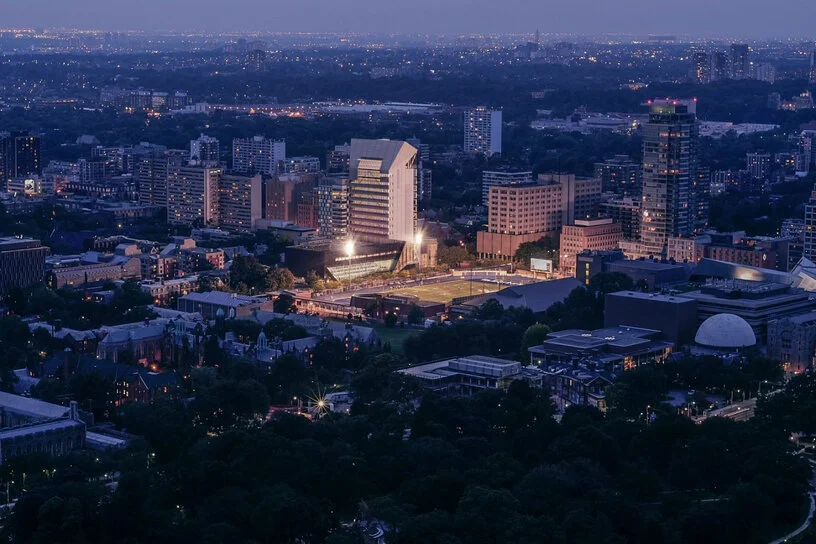
University of Toronto (UT) Academic Wood Tower
Toronto, ON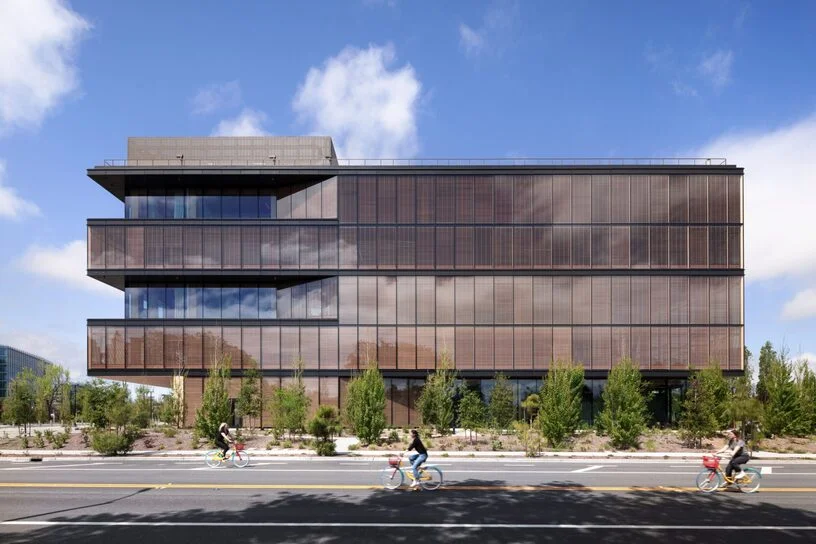
Google Borregas
Sunnyvale, CA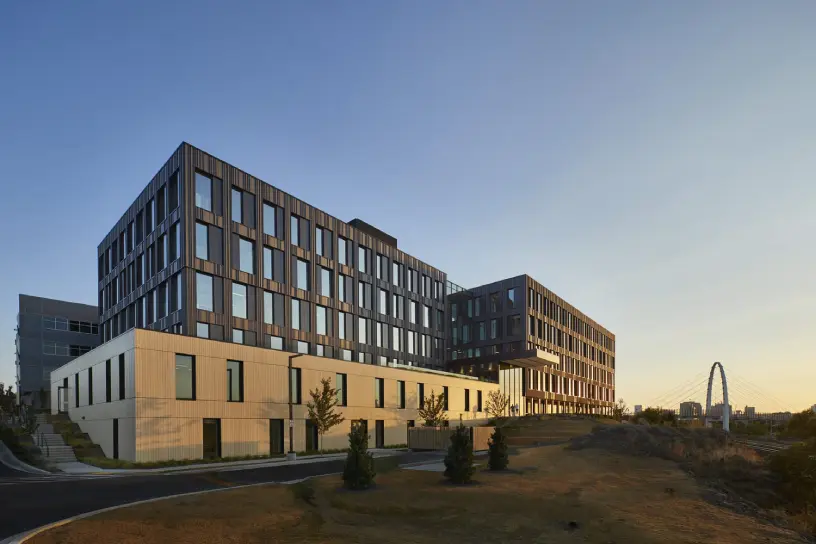
Catalyst Building
Spokane, WA
British Columbia Institute of Technology (BCIT) Tall Timber Student Housing
Burnaby, BC