Energy & Climate
Our Energy and Climate services help building owners, design teams, developers, and public agencies reduce carbon, improve comfort, and enhance resilience across both new and existing buildings. We provide energy modeling, climate adaptation planning, Passive House consulting, and decarbonization strategy to support high-performance projects and evolving regulatory requirements.
With expertise spanning energy efficiency codes and standards across North America—such as ASHRAE 90.1, Seattle’s Building Emissions Performance Standard (BEPS), the BC Energy Step Code, CAGBC’s Zero Carbon Building Certification, and many more—we help clients align design and retrofit decisions with regional policy and long-term climate goals.
Services
Energy performance consulting uses energy modeling and simulation to inform high-performance design, compare design alternatives, and support compliance with energy codes and certification programs. RDH’s work spans national and regional standards across North America like ASHRAE 90.1, the BC Energy Step Code, California Title 24, and the National Energy Code of Canada for Buildings (NECB), as well as sustainability certifications and incentive programs that require whole-building energy modeling.
- Energy modeling simulates operational energy use and compares design alternatives across mechanical system and building enclosure configurations.
- Net zero design consulting aligns enclosure, HVAC, electrification, and renewable energy strategies to support net zero energy and zero-carbon targets.
- Tax credit and deduction consulting supports U.S. project teams with documentation, modeling, and analysis to access federal energy efficiency incentives under §45L and §179D.
Passive House consulting supports projects from early design through certification, applying the most demanding energy and comfort standards in the industry. RDH works across both the PHI and PHIUS certification pathways. PHI is the European-origin standard applied on Canadian projects through organizations such as the Passive House Institute Canada; PHIUS is the North American adaptation used on US projects, with its own climate-specific targets and certification process. Our services cover design consulting, energy modeling, detailing, verification, and coordination across both pathways.
- Passive House design provides support for detailing, modeling, and integration of Passive House principles from schematic design through construction documentation.
- Passive House verification delivers third-party review and modeling quality assurance to meet certification standards.
- Passive House certification coordinates readiness reviews and certification submissions with PHI or PHIUS bodies.
Energy audits and low-carbon planning services help building owners understand current energy performance and develop strategies for carbon reduction. RDH provides ASHRAE Level I, II, and III energy audits, decarbonization roadmaps, Electrical Planning Reports (EPRs) for strata corporations in British Columbia and other jurisdictions, and retrofit planning aligned with both technical and financial goals. Our work supports compliance with building performance standards across North America.
- Energy audits provide ASHRAE Level I through III evaluations of operational energy use and system performance.
- Building performance standard compliance consulting supports compliance with city- and province-wide benchmarking and carbon performance regulations.
- Zero Over Time planning helps owners set phased carbon targets and define implementation milestones.
- Decarbonization planning outlines strategic interventions to reduce operational carbon and align with policy goals.
- Deep retrofit planning explores enclosure, HVAC, electrical infrastructure, and controls upgrades to improve energy performance.
- Deep retrofit implementation supports phasing, procurement, and quality assurance to bring deep retrofit projects to completion.
Sustainability certification services guide project teams through certification programs with tailored modeling, credit documentation, and strategy support. RDH works across LEED, WELL, CAGBC’s Zero Carbon Building program, the Toronto Green Standard, and other regional frameworks, helping teams align documentation and performance targets with certification requirements.
- LEED certification services include energy modeling, credit tracking, and submission documentation.
- WELL certification services align wellness, performance, and comfort goals through documentation and analysis.
- Zero Carbon Building certification supports both operational and embodied carbon metrics for certification under CAGBC’s Zero Carbon Building program and related frameworks.
Resilience and adaptation services help design teams and building owners evaluate and address climate-related risks, from overheating and extreme weather to wildfire exposure and long-term climate shifts. RDH translates climate projection data and hazard exposure into project-specific design criteria, enclosure detailing recommendations, and adaptation strategies grounded in both future climate data and practical risk mitigation.
- Climate risk and resiliency consulting integrates hazard exposure, enclosure performance, and system reliability to evaluate building vulnerability under projected climate conditions.
- Wildfire-resilient enclosure consulting recommends assemblies and detailing, including roofing, siding, windows/doors, and venting, to address ember intrusion, ignition risk, and fire spread in fire-prone regions.
- Climate hazard guidance translates climate projection data into project-specific design criteria.
- Thermal comfort and overheating analysis models indoor conditions to assess occupant comfort and overheating risk under current and future climate scenarios.
Monitoring, measurement, and verification (M&V) services track building performance over time and validate the outcomes of energy efficiency measures and retrofits. RDH supports utility programs, pilot technologies, and high-performance projects with tailored M&V plans, sensor deployment, and data analysis, applying calibrated modeling and structured protocols to verify whole-building and system-level performance.
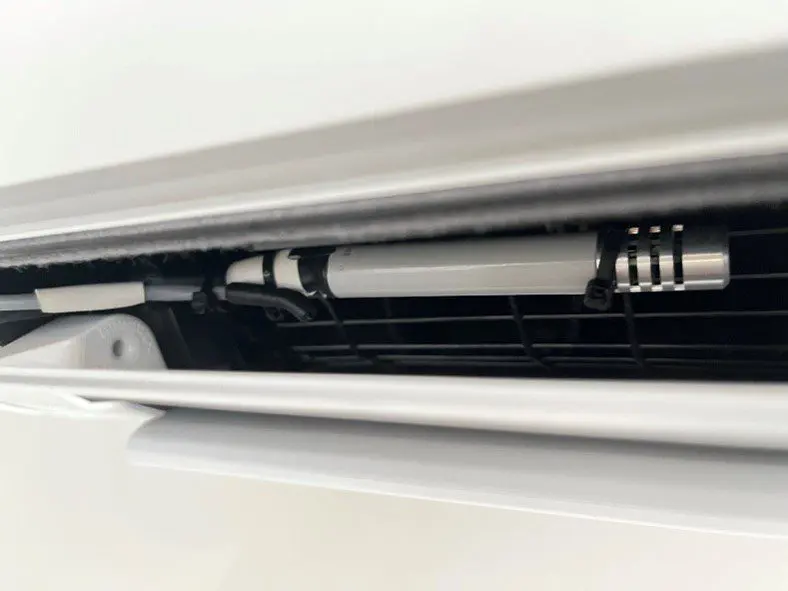
- On-site performance monitoring uses sensors and data logging to measure real-world enclosure and building system behavior.
- Post-retrofit verification validates energy savings and carbon reductions against modeled predictions and program requirements.
- Utility and program support provides M&V documentation and reporting for utility incentive programs and government-funded performance initiatives.
Embodied carbon and life cycle analysis (LCA) services quantify the environmental impact of building materials and assemblies across the full project lifecycle. As operational carbon continues to decline through efficiency improvements, embodied carbon has become an increasingly significant share of a building’s total climate impact. RDH applies standardized LCA methodologies and detailed knowledge of materials and enclosure assemblies to support design decisions, policy compliance, and certification targets.
- Embodied carbon analysis quantifies material-related emissions across all lifecycle stages, from raw material extraction through end of life.
- Life cycle assessment supports certification programs, internal sustainability targets, and policy compliance frameworks that require whole-building LCA.
- Design optimization support applies LCA findings to compare material and assembly options and inform lower-carbon design decisions.
Policy and program consulting supports public agencies, utilities, and industry organizations in shaping how buildings perform at scale. This work focuses on translating policy goals, such as energy efficiency, decarbonization, and resilience, into technical requirements, program structures, and implementation strategies that can be applied across building portfolios.
Our expertise is grounded in building science, energy modeling, and field experience, allowing policy frameworks to reflect how buildings are actually designed, constructed, and operated. This includes developing technical criteria for codes and standards, advising on incentive and funding programs, and evaluating how programs perform once deployed. Work often spans early-stage research, regulatory support, and post-implementation evaluation.
- Code and standards support provides technical analysis to inform regulatory development and updates.
- Incentive and funding program design establishes technical requirements and program structures aligned with market conditions.
- Monitoring and evaluation defines assessment frameworks and measures actual performance to inform program refinement.
- Decarbonization and climate policy studies assess pathways, impacts, and implementation considerations across jurisdictions.
Related
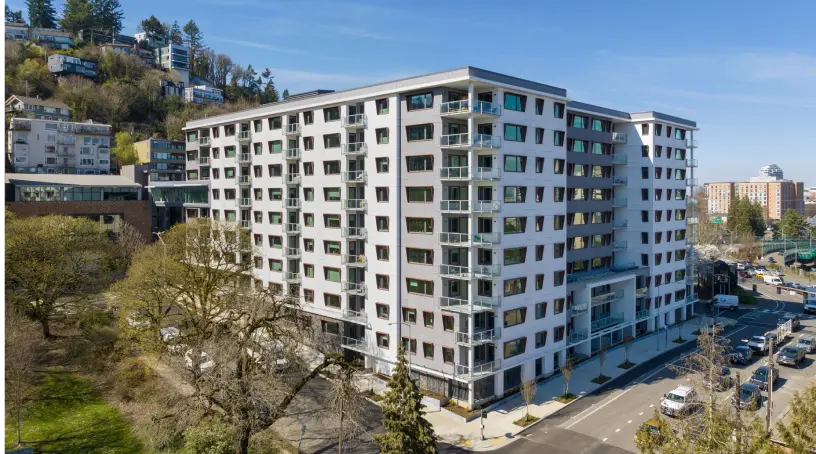
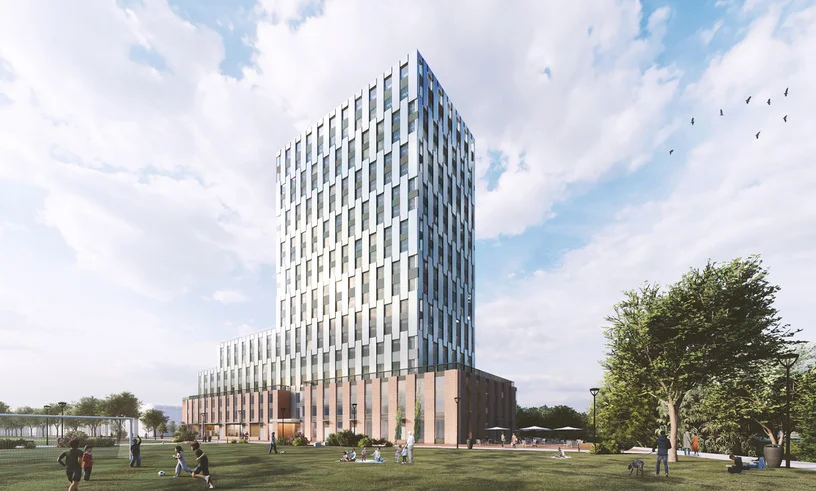
Parkview at Terwilliger Plaza
Portland, OR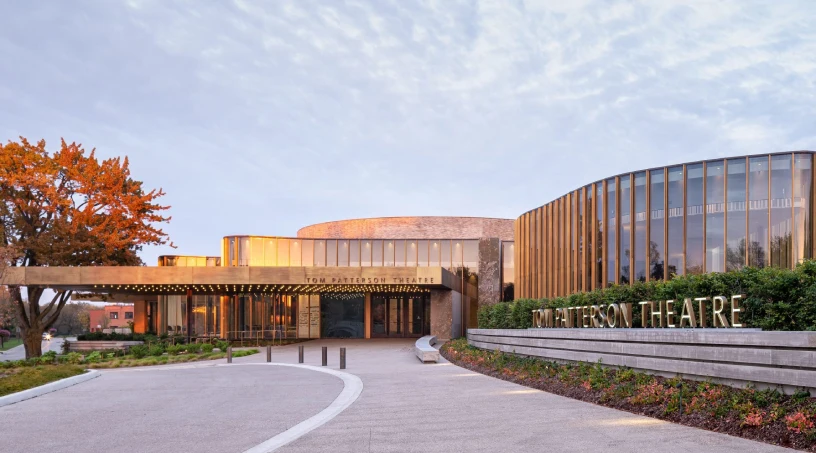
Tom Patterson Theatre
Stratford, ON
Centennial College A-Block Expansion
Scarborough, ON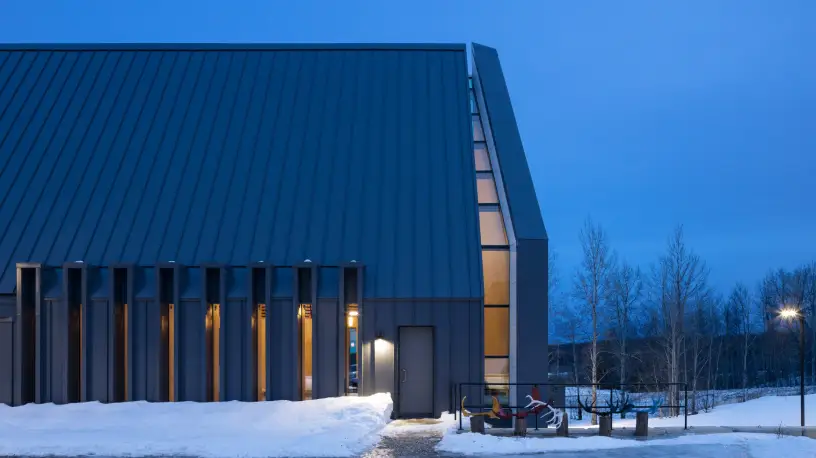
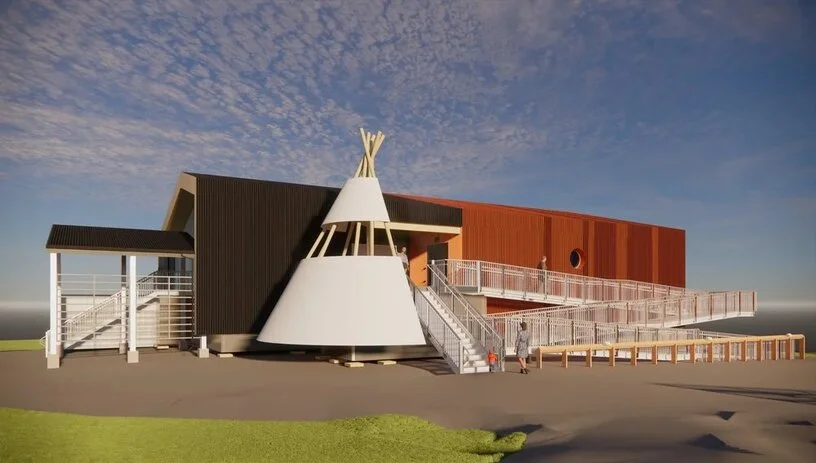
Doig River Cultural Centre
Rose Prairie, BC
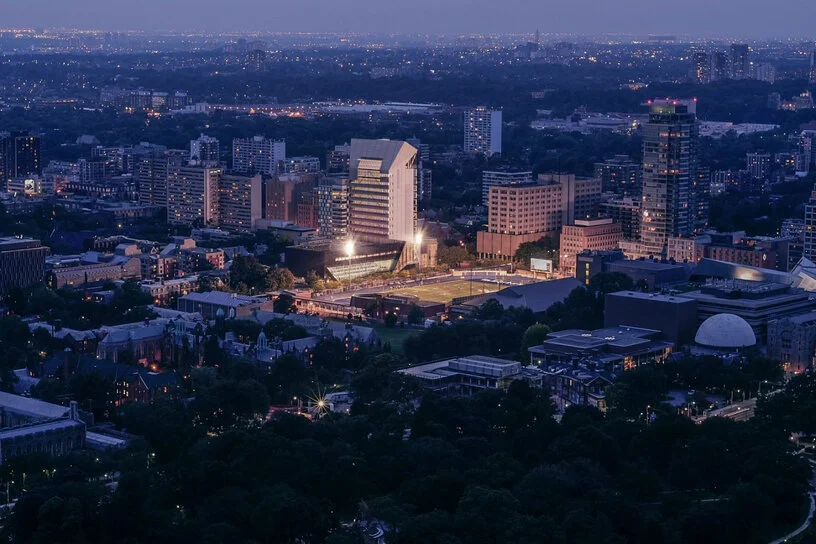
Humber College NX
Toronto, ON
Bullitt Center
Seattle, WA
Conventional Roofing Study
Waterloo, ON
Sitkum Terrace – Deep Retrofit and Renewal Strategy
Victoria, BC